Traffic Signs
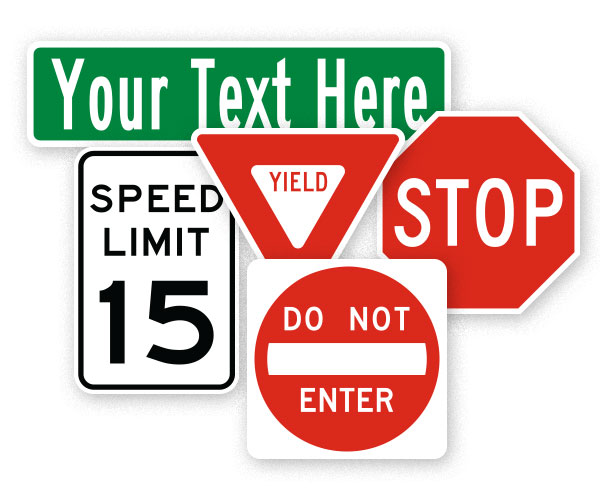
Keep roads, parking lots, and construction zones safe with our extensive selection of traffic signs. Designed for maximum visibility and long-lasting durability, our signs help guide drivers, regulate traffic flow, and reduce accidents.
MUTCD-Compliant Options: Our catalog features a full range of MUTCD-compliant traffic signs, each labeled with its compliance code so you can easily find the exact sign required for your project.
Durable and Reliable: Manufactured from high-quality aluminum with reflective sheeting, our traffic signs are built to withstand harsh outdoor conditions while staying highly visible day and night.
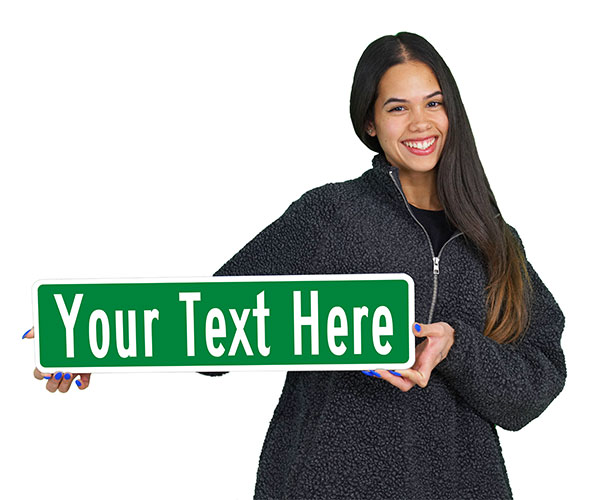
Customizable Solutions: Choose from multiple sizes, materials, and finishes—or create a custom traffic sign with your own wording, colors, or graphics to fit your specific needs.
With our wide selection of traffic signs, you’ll find everything required to meet regulatory standards, improve safety, and maintain order on any roadway or property.


Best-Selling Traffic Signs
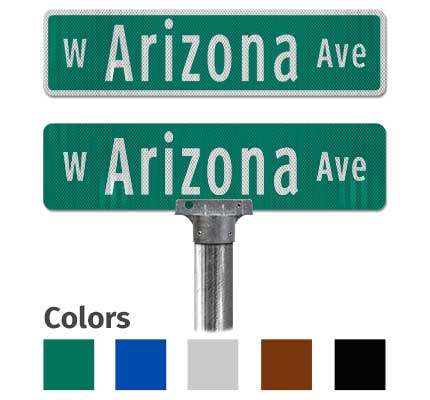
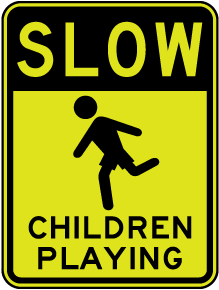
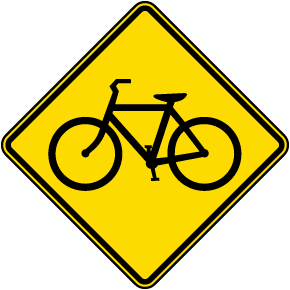
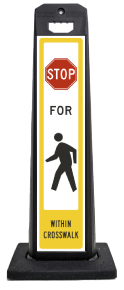
Shop Traffic Signs by Type
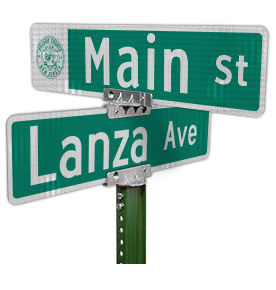
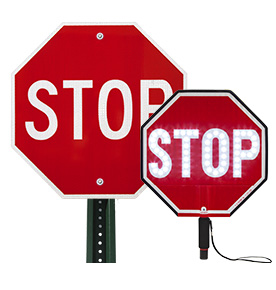
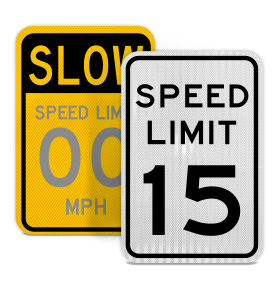
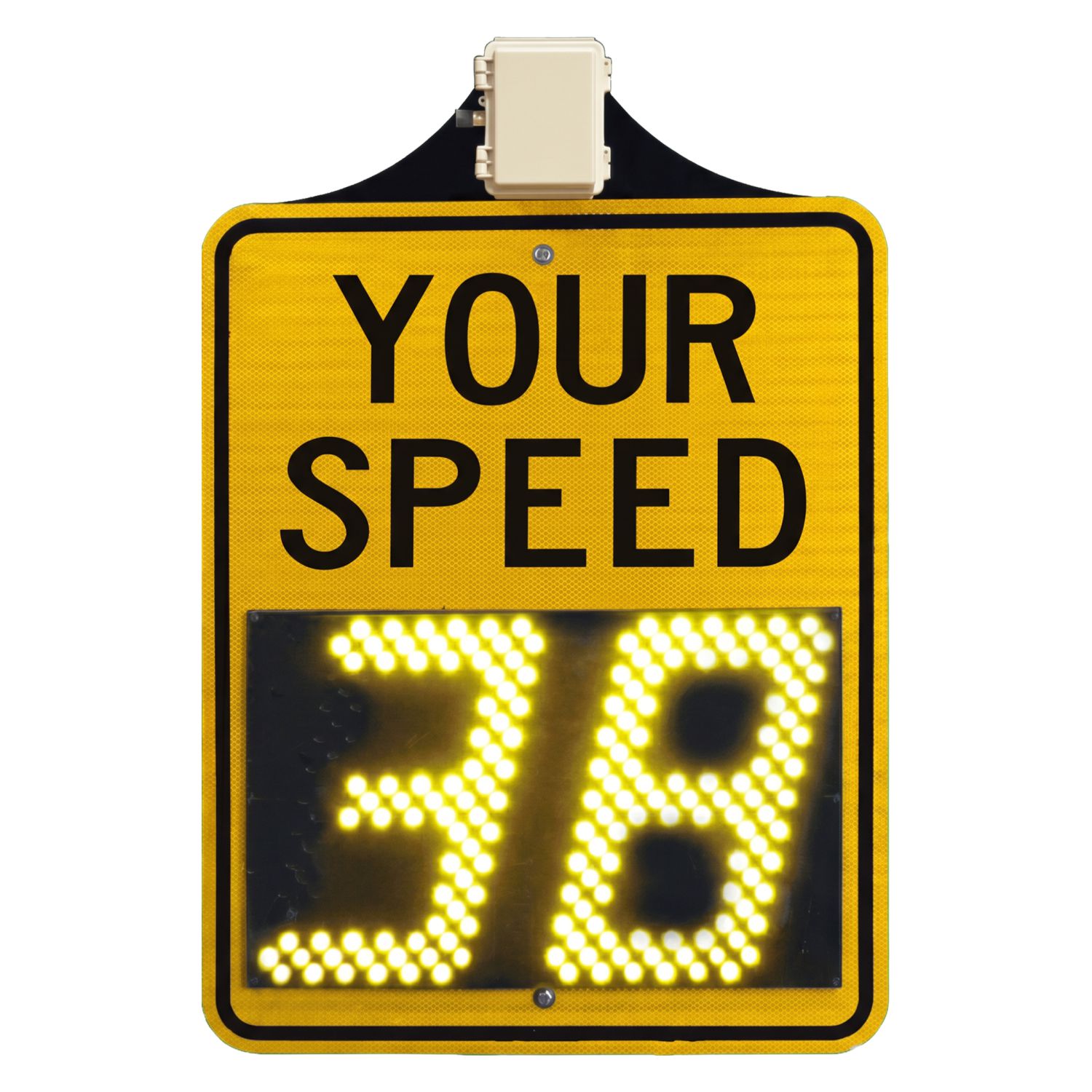
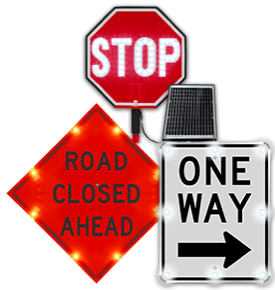
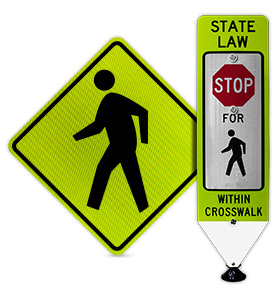
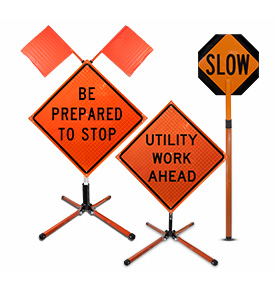
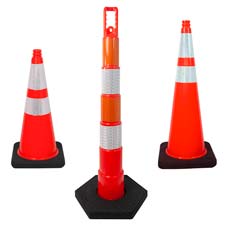
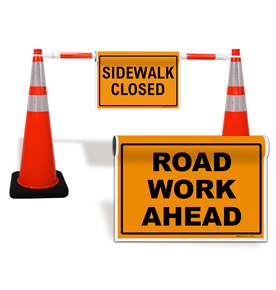
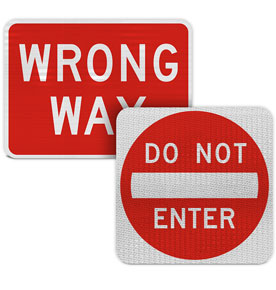
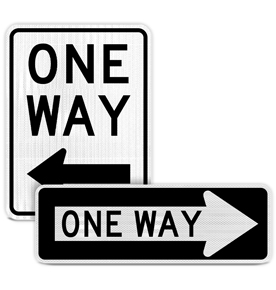
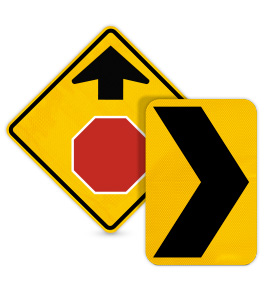
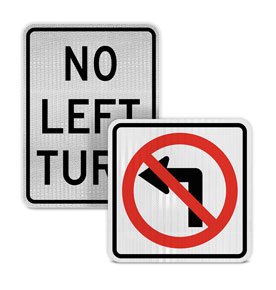
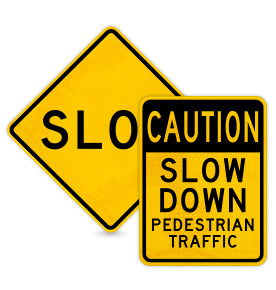
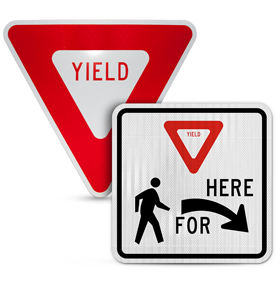
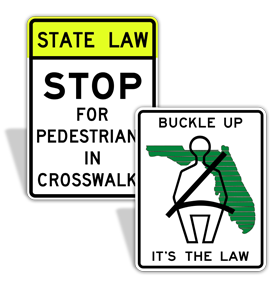
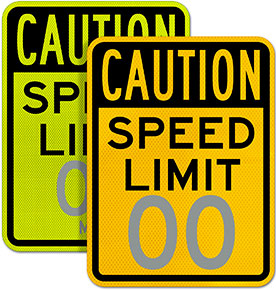
Shop Custom Traffic Signs
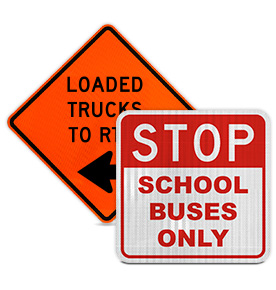


Other Categories You May Be Interested In
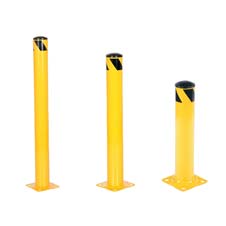
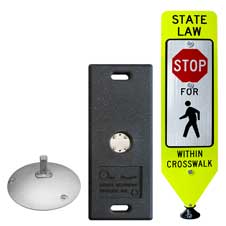
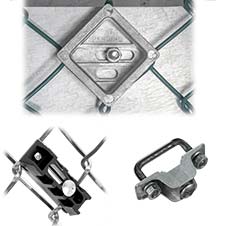
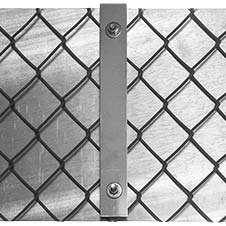
Portable Bases / Sign Posts / Cones / Mounting Hardware
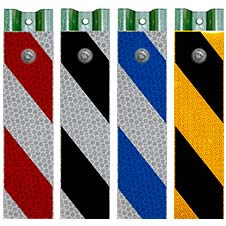
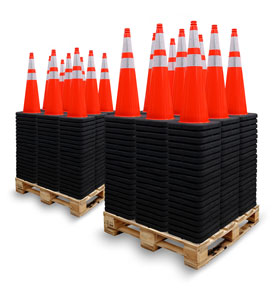
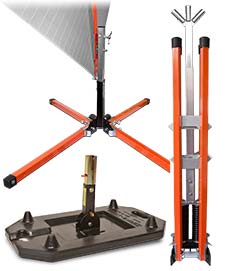

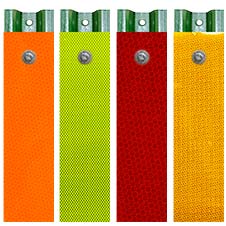
Traffic Signs Compliant with MUTCD and DOT Guidelines
To ensure traffic signs are easily recognizable and effective, the Department of Transportation (DOT) and the Manual on Uniform Traffic Control Devices (MUTCD) establish guidelines that must be followed by sign manufacturers. We make sure that our vast selection of traffic signs is always up to date with the latest requirements, so you can be sure that you’re always in compliance.
Some of the key requirements for a traffic sign to be DOT and MUTCD-compliant include:
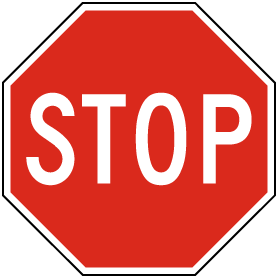
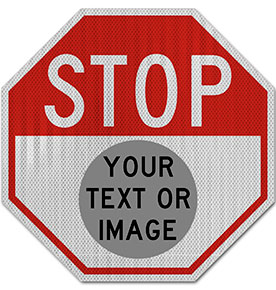
- Design Standards: Traffic signs must adhere to specific design standards regarding shape, color, size, and layout. The MUTCD provides detailed specifications for sign design, ensuring uniformity and clarity in various settings. For example, a Stop Sign must be an octagon with a white legend and border on a red background.
- Message and Symbols: Traffic signs must use standardized symbols and wording to convey their message. The MUTCD provides guidance on the specific messages, symbols, and their meanings to be used on signs. For example, a One Way Sign legend must read “ONE WAY” with an arrow symbol indicating the direction in which traffic is legally allowed to move.
- Reflectivity and Visibility: Signs need to be visible and legible in various lighting conditions, which often involves using reflective materials. The MUTCD specifies minimum retroreflectivity levels for signs to ensure visibility at night. For example, regulatory signs must be retroreflective or illuminated to show the same shape and color at night as they do during the day. Our traffic signs are available in various retroreflective sheeting, all of which satisfy this requirement.
- Placement and Location: There are regulations concerning the placement and location of signs to ensure drivers have adequate time to react and make informed decisions. The MUTCD provides guidance on sign placement, including height and distance from the roadway. For example, a roadside sign must be mounted 7 feet above the roadway in business, commercial, and residential areas.
The Federal Highway Administration (FHWA) administers and enforces the MUTCD. The MUTCD is periodically updated, and its latest version should be consulted for the most current standards and specifications. Please note that the specific standards and regulations can be extensive and can vary based on the type of sign, its purpose, and its location. Always refer to the official MUTCD documentation or consult with traffic engineering authorities for comprehensive and current information on traffic sign compliance.
Traffic Signs FAQs
What does it mean for a traffic sign to be MUTCD and DOT compliant?
MUTCD and DOT compliance means the sign meets federal design and safety standards for shape, size, color, wording, reflectivity, and placement. These guidelines ensure consistency so drivers can instantly recognize and understand signs.
What design standards must traffic signs follow?
Traffic signs must adhere to strict standards for shape, color, and layout. For example, stop signs must always be an octagon with a white legend and border on a red background. These standards guarantee uniformity and clear communication.
Why is reflectivity important for traffic signs?
Reflectivity ensures that traffic signs remain visible at night and in low-light conditions. The MUTCD requires regulatory signs to use reflective sheeting or illumination so drivers see the same colors and shapes both day and night.
How does the MUTCD regulate traffic sign placement?
The MUTCD provides guidelines on sign height, distance, and location to give drivers enough time to react safely. For example, roadside signs in business or residential areas must be mounted at least 7 feet above the roadway.
Who enforces MUTCD guidelines for traffic signs?
The Federal Highway Administration (FHWA) enforces MUTCD standards. The MUTCD is regularly updated, and sign manufacturers are required to follow the latest version to ensure ongoing compliance.