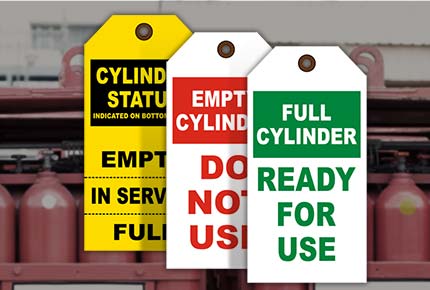
Gas Cylinder Signs
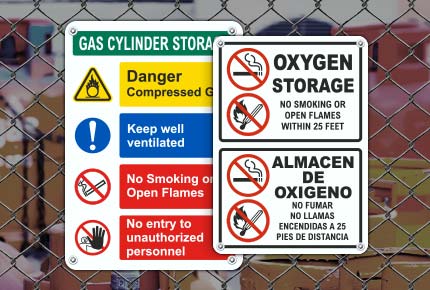
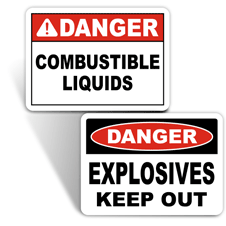
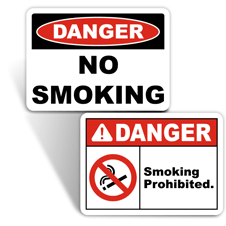
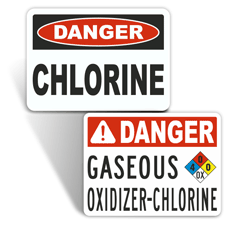
Keep your facility compliant and your team safe with clearly marked gas cylinder signs. Designed to identify compressed, flammable, and hazardous gas storage areas, these signs warn workers and emergency personnel about potential risks and handling precautions.
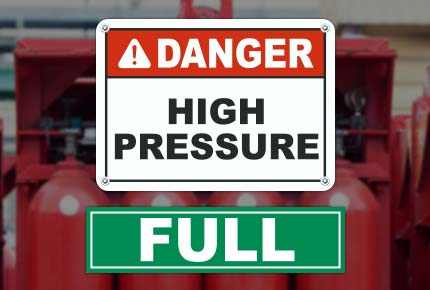
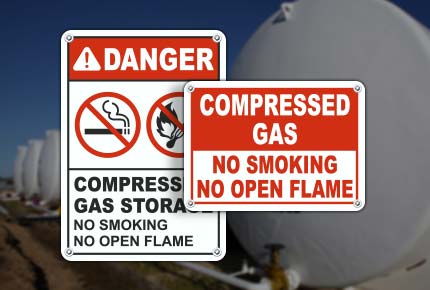
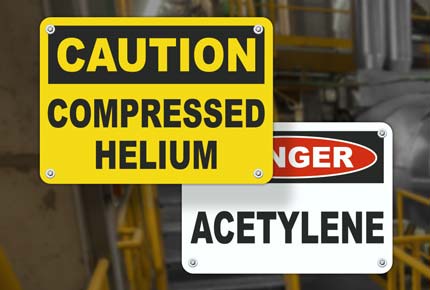
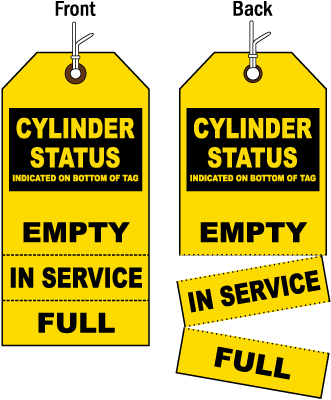
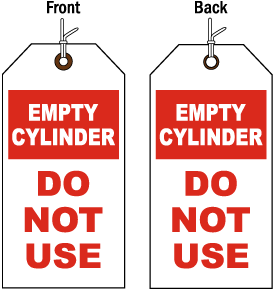
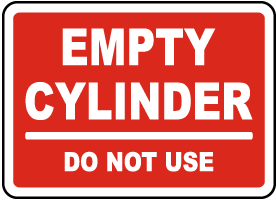
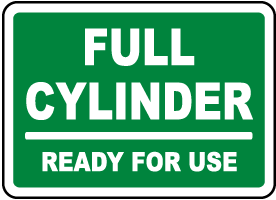
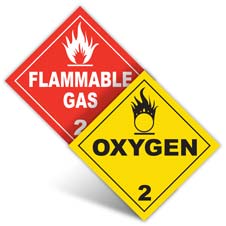
Our collection includes Compressed Gas Signs, Flammable Gas Signs, Empty/Full Cylinder Indicators, Oxygen Storage Signs, and Custom Gas Identification Signs. Each sign is made from durable aluminum, plastic, or adhesive vinyl and built to withstand indoor and outdoor conditions.
All gas cylinder signs follow OSHA 1910.253 and NFPA 55 guidelines for proper labeling and visibility, helping you maintain compliance while promoting workplace safety.


Gas Cylinder Signs
Compressed and liquefied gases have the potential for creating hazardous working environments. Promote safety by offering information on proper storage, handling safety, cylinder status and compliance.
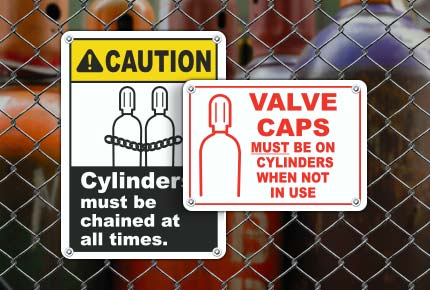
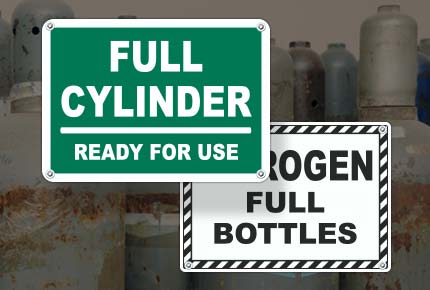
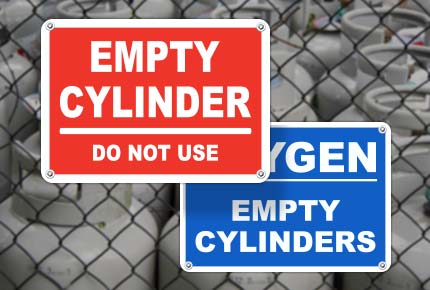
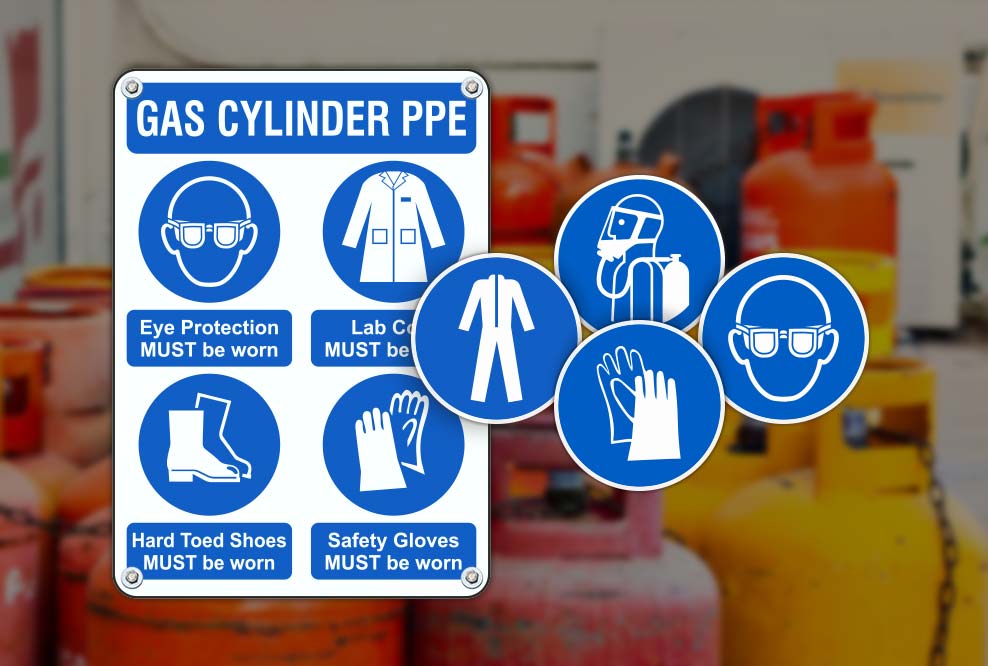
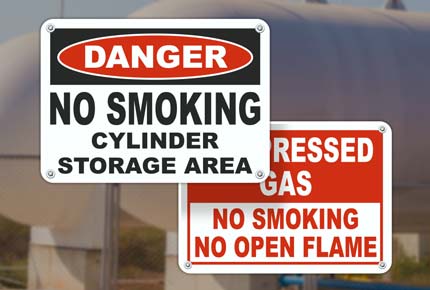
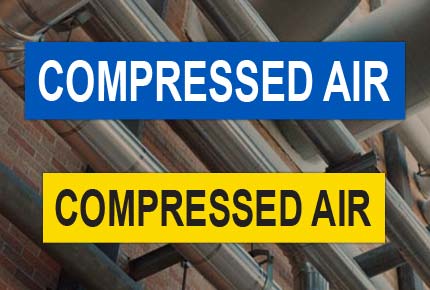
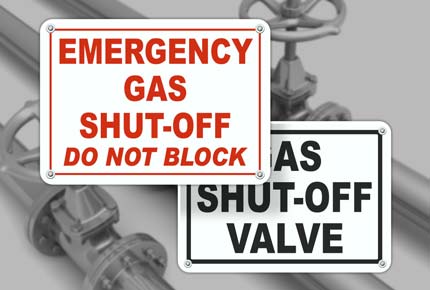
Best-Selling Gas Cylinder Signs
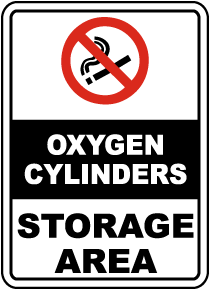
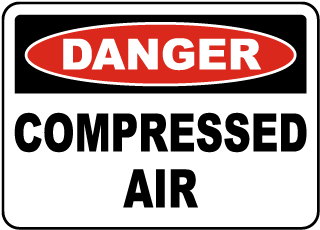
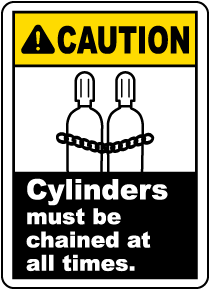
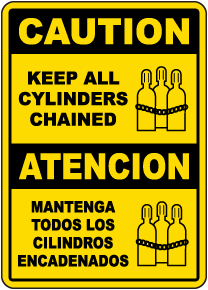
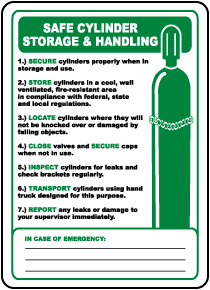
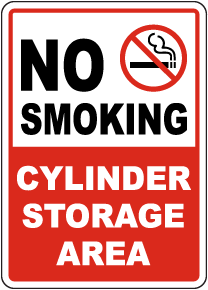
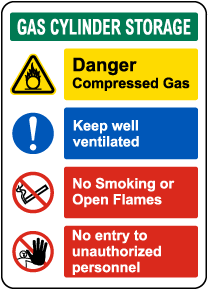
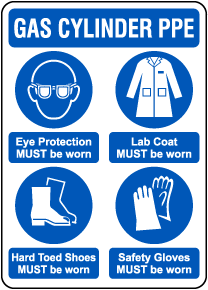
Custom Gas Cylinder Signs






Other Categories You May Be Interested In
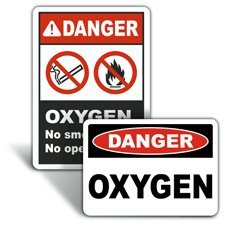
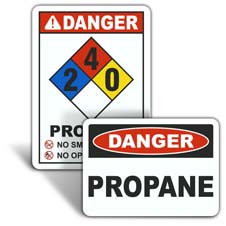
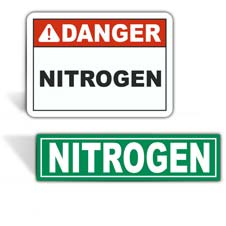
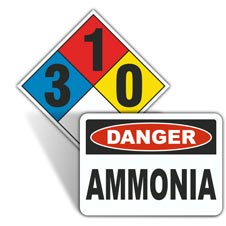
What is a compressed gas?
In the United States, thousands of products are used, handled, and transported every day containing gases and mixtures of gases stored under pressure in cylinders. Most of these gases are classified as compressed gases.
OSHA defines a compressed gas as a gas or mixture of gases having, in a container, an absolute pressure exceeding 40 psi at 70° F (21.1° C). Also, a gas or mixture of gases having, in a container, an absolute pressure exceeding 104 psi at 130° F (54.4° C) regardless of the pressure at 70° F (21.1° C); or a liquid having a vapor pressure exceeding 40 psi at 100° F (37.8° C) as determined by ASTM D-323-72.
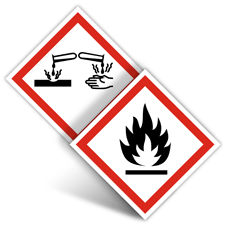
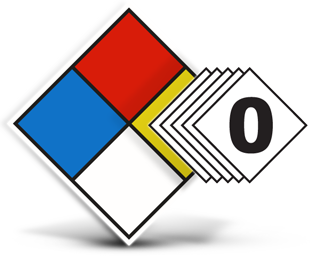
All compressed gases present physical hazards due to their high pressure. Compressed gases stored in cylinders can be classified as toxic, flammable, oxidizing, corrosive, inert, or non-flammable. Inert gases can displace air, causing an oxygen-deficient atmosphere. Corrosive, reactive, and toxic gases pose chemical hazards, while flammable or reactive gases can result in fire and exploding cylinders. A gas cylinder may have multiple hazards and represent a danger to employees. It is important to identify the potential hazards and communicate the means to avoid injuries and even death.
OSHA 29 CFR 1910.101 - Compressed gases (general requirements)Gas Cylinder Signs FAQs
Why are gas cylinder signs important?
Gas cylinder signs clearly identify areas where compressed or flammable gases are stored, helping prevent fires, leaks, and injuries by alerting workers and responders to handle the area with caution.
Do your gas cylinder signs meet OSHA and NFPA standards?
Yes. All signs are designed to comply with OSHA 1910.253 (Compressed Gases) and NFPA 55 (Compressed Gases and Cryogenic Fluids Code), ensuring they meet visibility and safety standards.
What materials are available for gas cylinder signs?
Choose from aluminum for outdoor use, plastic for indoor walls or cabinets, and adhesive vinyl for labeling cylinders, racks, or storage cages.
Where should gas cylinder signs be placed?
Post them near cylinder storage racks, gas cabinets, and entrances to storage areas so workers and first responders can identify hazards before entering.
Can I create custom gas cylinder signs?
Absolutely. You can design custom gas identification signs that include the gas name, hazard symbol, and specific storage or handling instructions tailored to your facility.