Best-Selling Oxygen Signs

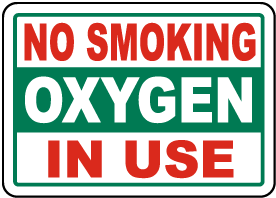
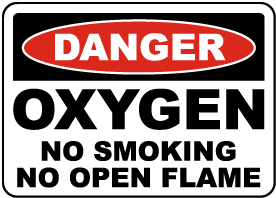
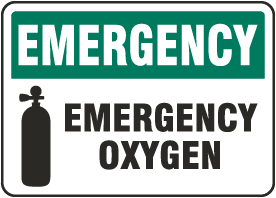
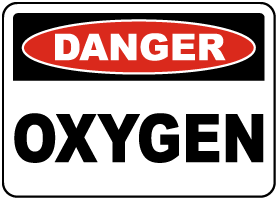

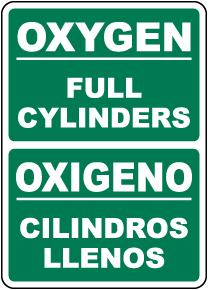
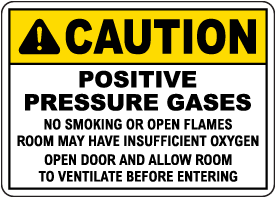
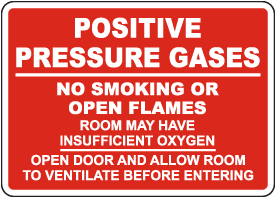
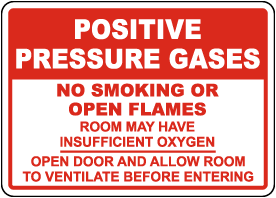
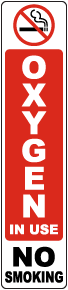
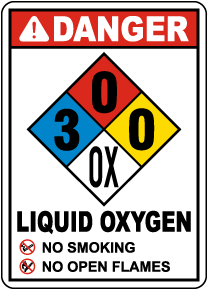
Shop Our Wide Oxygen Sign Selection
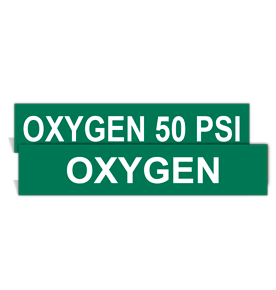
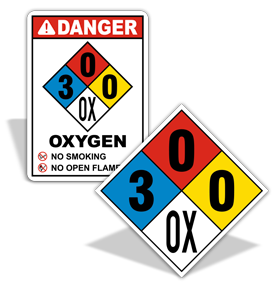
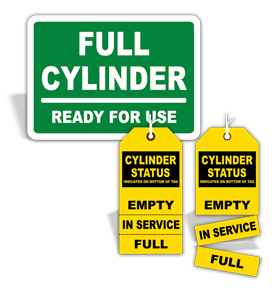
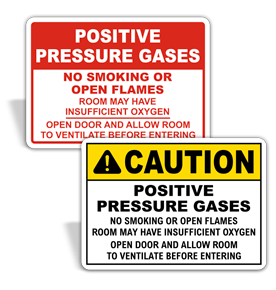
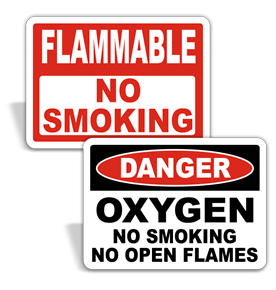
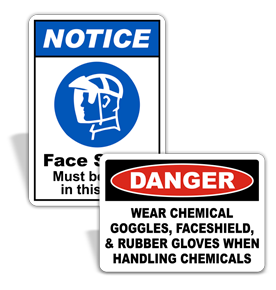
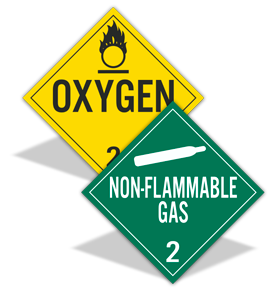
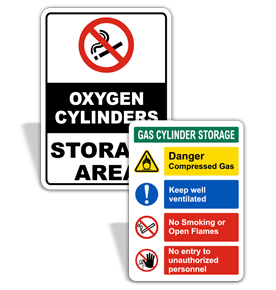
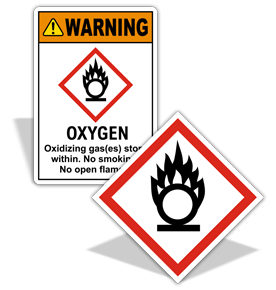
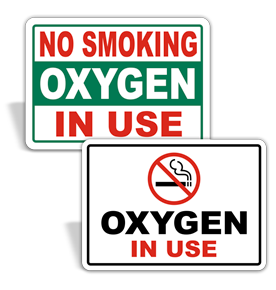
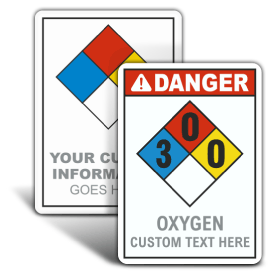
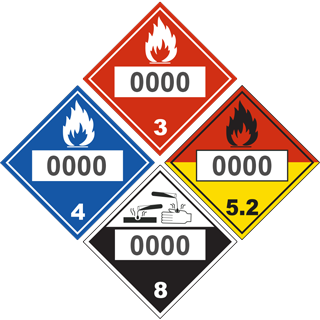
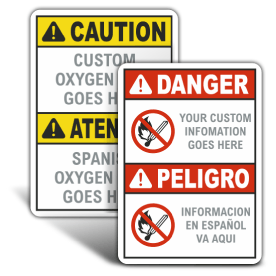
Other Categories You May Be Interested In
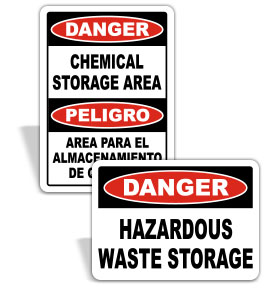
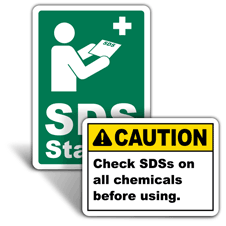
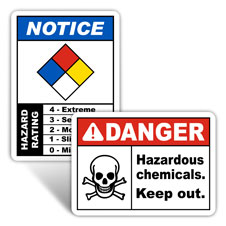
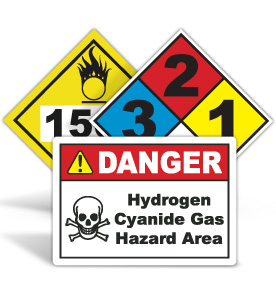
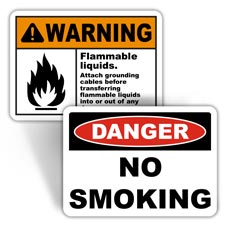
What is Oxygen?
Oxygen is an odorless, colorless gas or colorless to pale blue cryogenic liquid. Besides supporting life via our respiratory system, oxygen is used in various industries from steel manufacturing, aerospace technology and the treatment of sewage to name a few.
Oxygen is not flammable, but as an oxidizer it will intensify combustion or fires. With this clear hazard warning, oxygen must be kept away from combustible materials. Liquid oxygen also poses a health hazard for individuals, exposure may cause frostbite to the eyes and skin. It is key to follow safety practices and wear appropriate personal protection equipment to prevent serious accidents or injury.
Fire Protection Guide to Hazardous Materials - Edition 14th
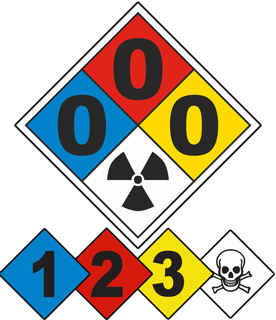
| Chemical Name / CAS No. | NFPA 30 / OSHA Class | Health | Flammability | Instability | Special Hazard |
|---|---|---|---|---|---|
| Oxygen, refrigerated liquid 7782-44-7 |
None | 3* | 0 | 0 | OX |
*Refrigerated liquid oxygen can have a high health hazard degree of “3” because compressed liquified gases with boiling points at or below -55°C (-66.5°F) can cause frostbite and irreversible tissue damage. Refrigerated liquid oxygen has a boiling point of -183°C (-297°F).
Learn more...The signs above represent our interpretation of material information in combination with NFPA 30 and NFPA’s Fire Protection Guide to Hazardous Materials. Without knowledge of your specific chemical, facility, or hazard, it’s impossible for us to guarantee these signs will match your situation. It is your responsibility to decide which signs are valid for your use and to comply with applicable laws and standards. This site is not intended as a substitute for expert analysis or professional consultation. We make no guarantee of the accuracy of the information on this site and assume no liability of injury or damage as a result of using our products.
Oxygen Signs FAQs
What are some common use cases for oxygen signs?
They’re used in warehouses, schools, hospitals, construction zones, and offices to alert people or guide behavior.
Are there any design tips for creating more effective oxygen signs?
Use bold fonts, high-contrast colors, and place signs at eye level to maximize their effectiveness and compliance.
Do oxygen signs need to include symbols or just text?
Including symbols alongside text ensures the message is understood regardless of language or reading ability.
How do oxygen signs contribute to a safer facility?
Oxygen Signs improve safety by communicating warnings or instructions where verbal reminders may not be practical.
When should businesses consider updating their oxygen signs?
When regulations change, damage occurs, or your facility layout evolves, it’s time to refresh your oxygen signs.