Best-Selling Ammonia Signs
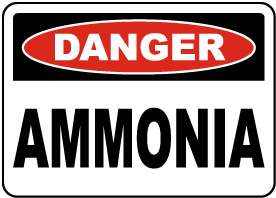
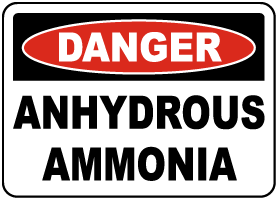
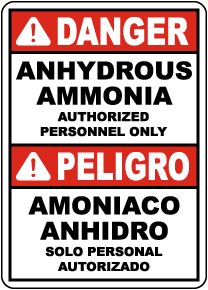
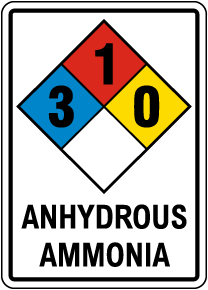

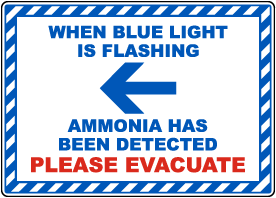
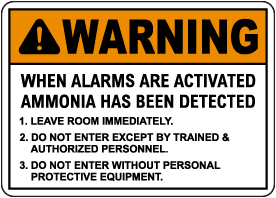
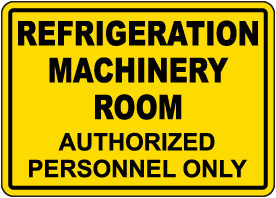
Shop Our Wide Ammonia Sign Selection
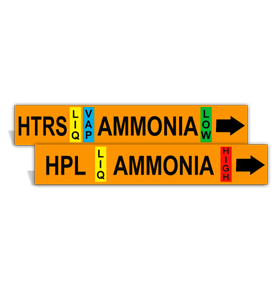
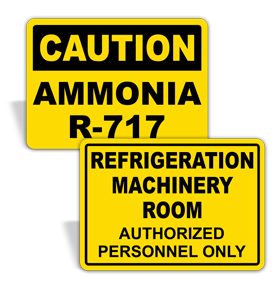
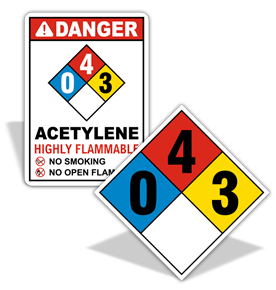
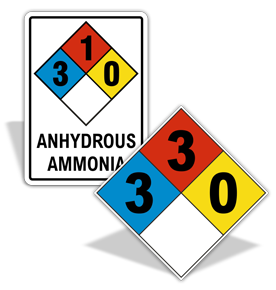
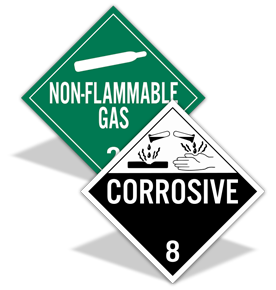

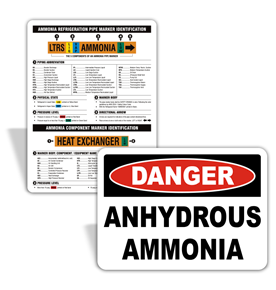
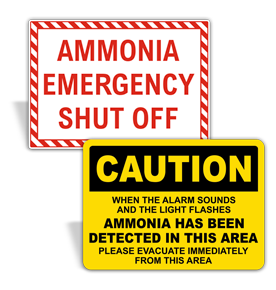
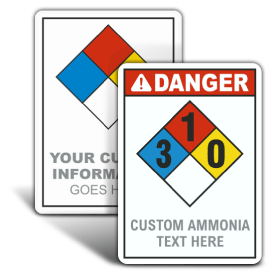
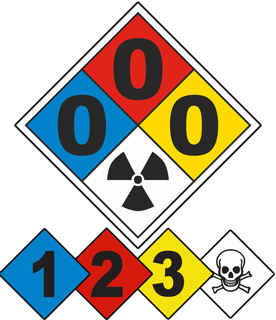
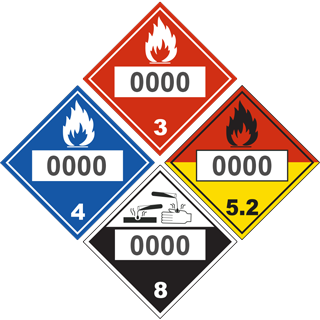
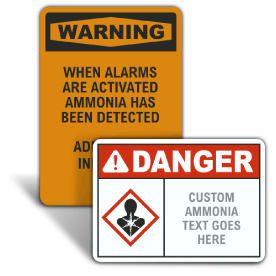
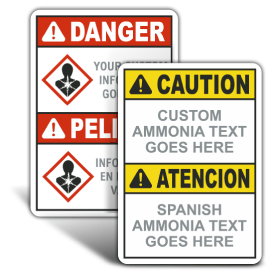
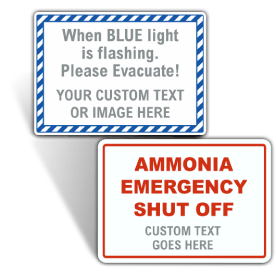
Other Categories You Might Be Interested In

What is Ammonia?
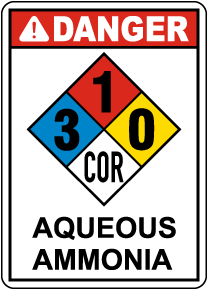
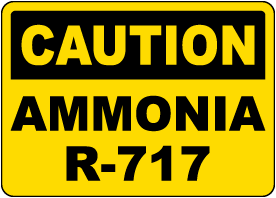
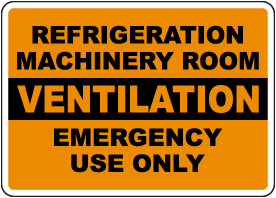
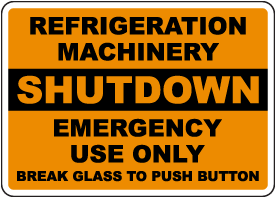
Ammonia is a colorless gas, with a pungent odor. It is widely used as a refrigerant and for the manufacture of products such as pesticides, fertilizer, plastic and other chemicals. Exposure to ammonia in small amounts can cause irritation to the eyes, nose and throat. At higher levels, ammonia may turn fatal due to throat swelling or chemical burns to the lungs. Ammonia is also highly corrosive. With an increased use of ammonia in recent years as a refrigerant, it is important to ensure worker safety by providing proper safety identification.
Fire Protection Guide to Hazardous Materials - Edition 14th
| Chemical Name / CAS No. | NFPA 30 / OSHA Class | Flash Point °F (°C) | Health | Flammability | Instability |
|---|---|---|---|---|---|
| Ammonia, anhydrous NH3 7664-41-7 |
None | Gas | 3 | 1 | 0 |
The signs above represent our interpretation of material information in combination with NFPA 30 and NFPA’s Fire Protection Guide to Hazardous Materials. Without knowledge of your specific chemical, facility, or hazard, it’s impossible for us to guarantee these signs will match your situation. It is your responsibility to decide which signs are valid for your use and to comply with applicable laws and standards. This site is not intended as a substitute for expert analysis or professional consultation. We make no guarantee of the accuracy of the information on this site and assume no liability of injury or damage as a result of using our products.
Anhydrous Ammonia NFPA Diamonds FAQs
What customization options are available for anhydrous ammonia NFPA diamonds?
Options include custom text, color schemes, multilingual support, and incorporating branding or logos.
What makes anhydrous ammonia NFPA diamonds compliant with industry standards?
They often meet ANSI and OSHA requirements, using standardized colors, icons, and fonts to ensure clarity and visibility.
How are anhydrous ammonia NFPA diamonds installed or mounted effectively?
Mounting options include adhesive backing, screw holes, brackets, or sign posts depending on the surface.
When should businesses consider updating their anhydrous ammonia NFPA diamonds?
When regulations change, damage occurs, or your facility layout evolves, it’s time to refresh your anhydrous ammonia NFPA diamonds.
What are the most overlooked benefits of using anhydrous ammonia NFPA diamonds?
Beyond compliance, they can improve workflow, reduce liability, and increase awareness of important processes.