AED Signs
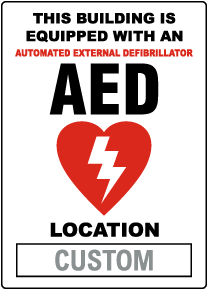
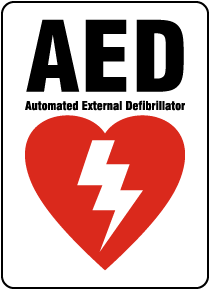
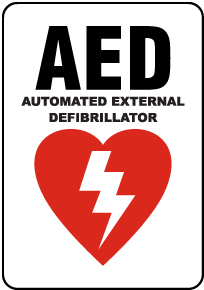
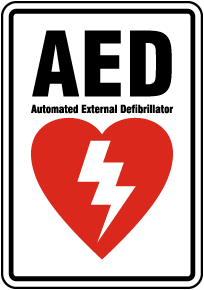
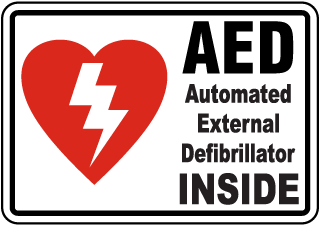
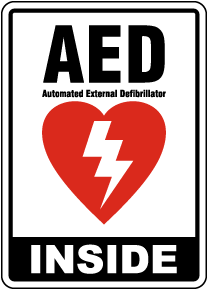


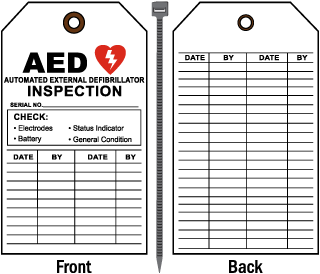
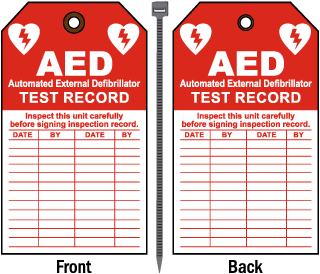
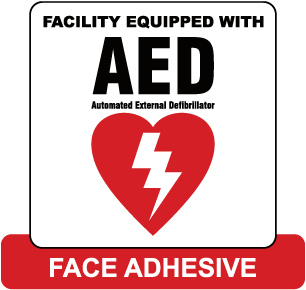
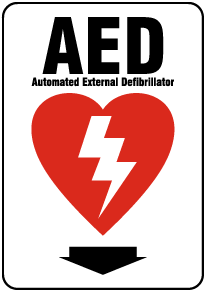
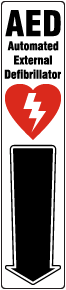

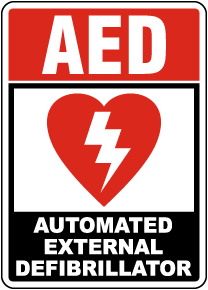
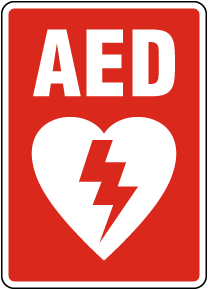
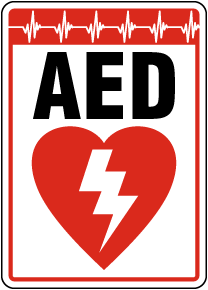
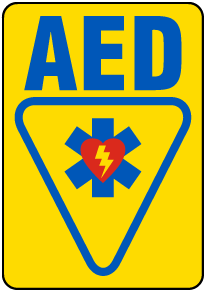


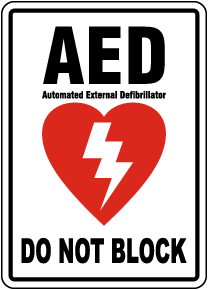
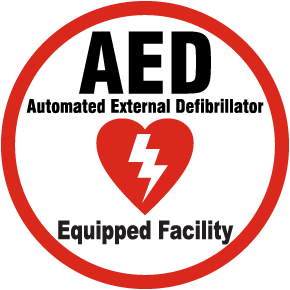
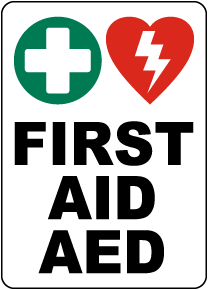
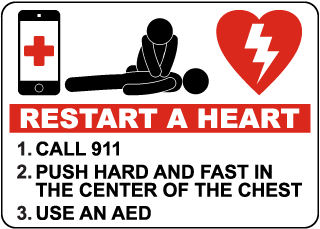
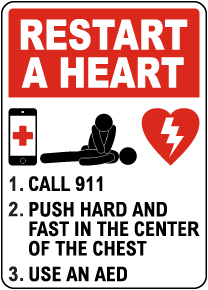
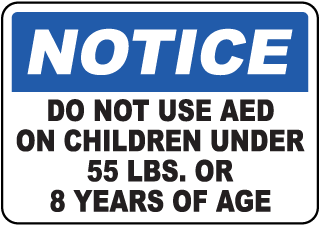
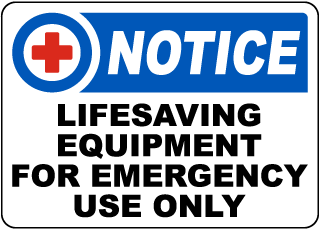
AED Projection Signs
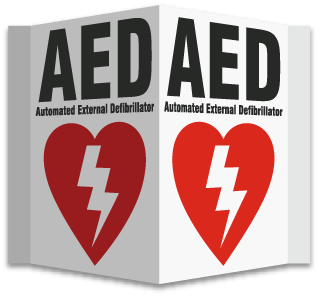

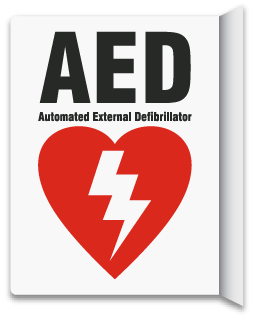
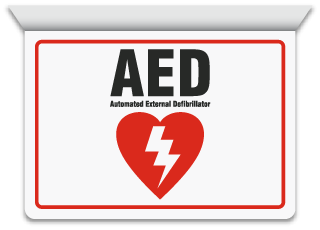
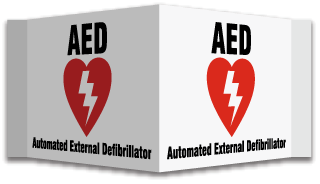
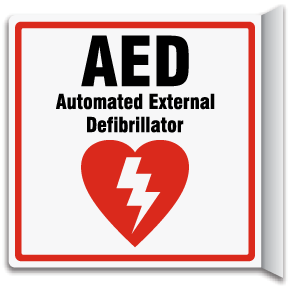
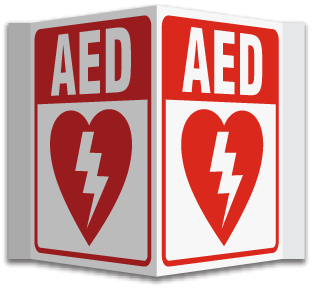
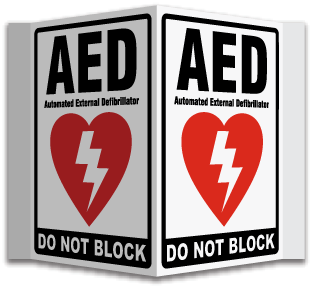
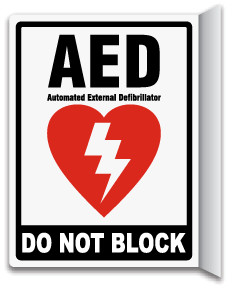
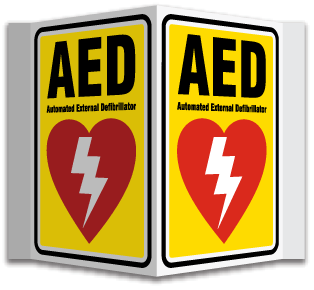
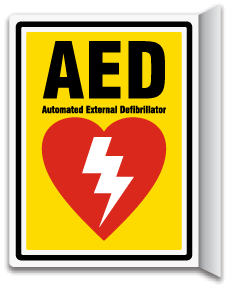

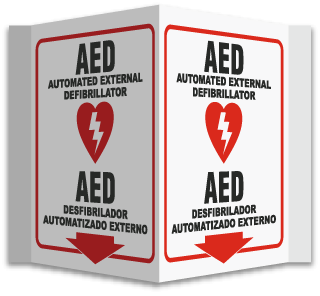
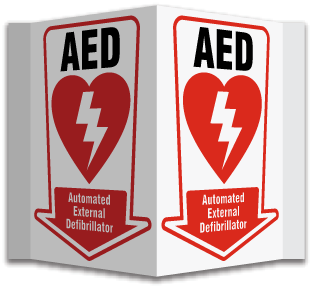
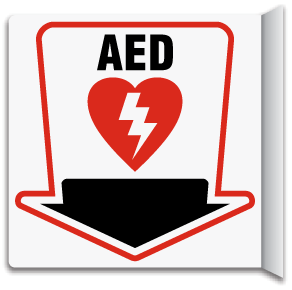
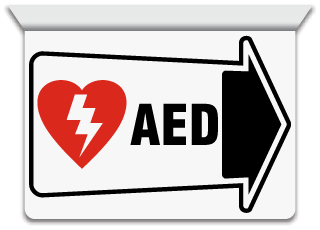
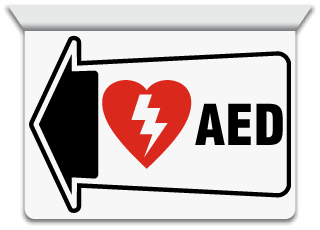

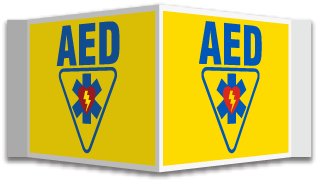
AED Floor Signs
Other Categories You May Be Interested In

AED Signs FAQs
What makes AED signs compliant with industry standards?
They often meet ANSI and OSHA requirements, using standardized colors, icons, and fonts to ensure clarity and visibility.
What are the most overlooked benefits of using AED signs?
Beyond compliance, they can improve workflow, reduce liability, and increase awareness of important processes.
Can AED signs withstand harsh environments like factories or outdoors?
Yes. Many AED signs are made from weather-resistant materials like aluminum, polyethylene, or laminated vinyl.
How are AED signs installed or mounted effectively?
Mounting options include adhesive backing, screw holes, brackets, or sign posts depending on the surface.
When should businesses consider updating their AED signs?
When regulations change, damage occurs, or your facility layout evolves, it’s time to refresh your AED signs.
AED Signs FAQs
Why are AED signs important?
AED Signs help people quickly locate defibrillators during cardiac emergencies, reducing response time and potentially saving lives.
Where should AED signs be installed?
Signs should be placed above the AED, in hallways, near main entrances, and along common travel paths to guide people toward the device.
Are AED signs required by law?
Requirements vary by location, but many safety regulations recommend or require clear signage to indicate AED placement.
What material works best for AED signs?
Rigid plastic and aluminum are commonly used because they are durable, visible, and resistant to indoor and outdoor conditions.
Should AED signs include directional arrows?
Yes, directional arrows are useful when the AED is around a corner, down a hallway, or not immediately visible.
Are photoluminescent AED signs available?
Yes. Glow-in-the-dark AED signs are available to improve visibility during power outages or low-light emergencies.