Road Signs By Type
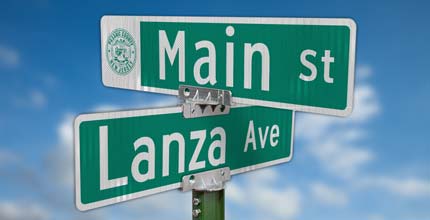
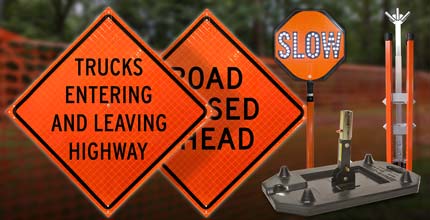
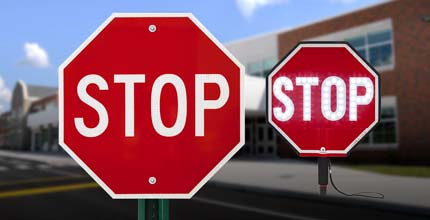

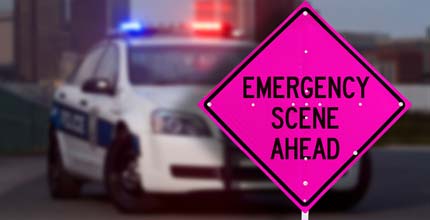
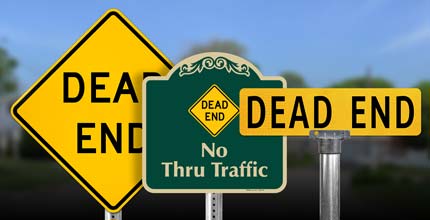
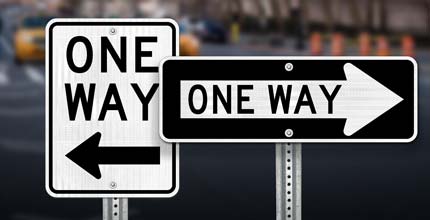
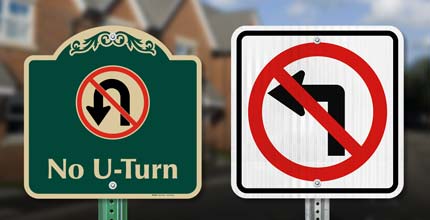
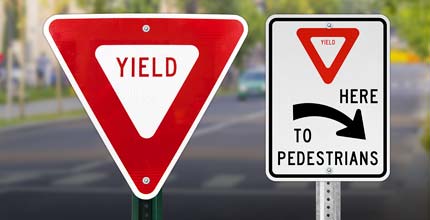
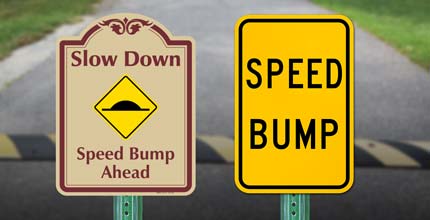
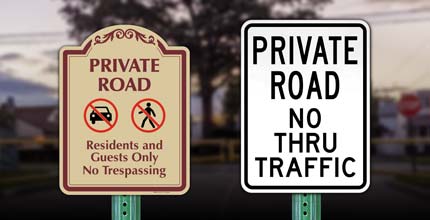
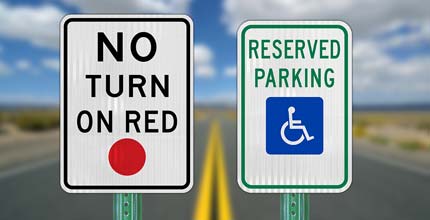
Shop More Road Signs
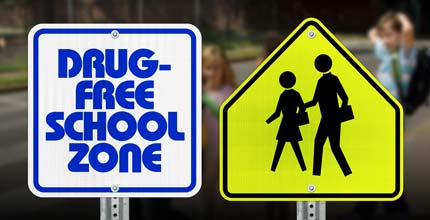
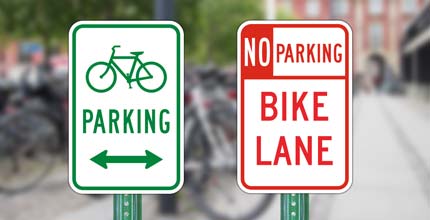
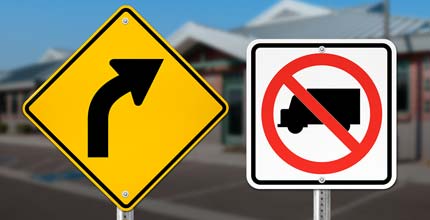
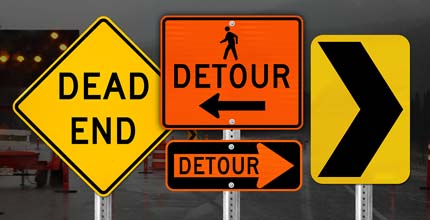
Other Signs You May Be Interested In
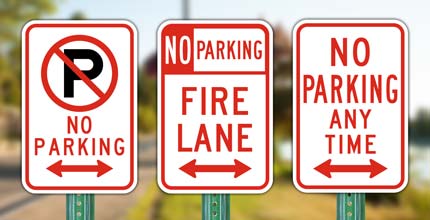
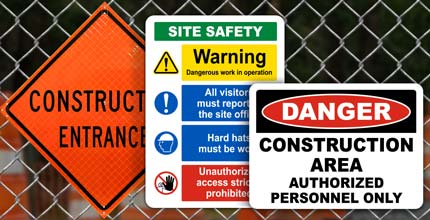
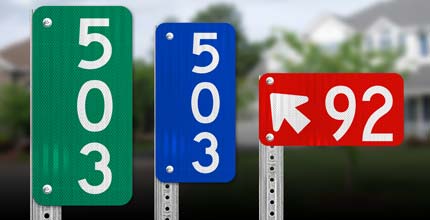
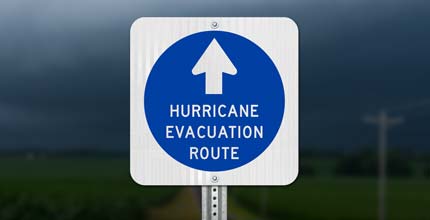
Portable Bases / Sign Posts / Cones / Mounting Hardware
Road Signs FAQs
What are road signs and why are they important?
Road Signs are visual indicators placed alongside or above roadways to provide drivers with information about traffic regulations, road conditions, hazards, and directions. They are important because they help maintain orderly flow of traffic, prevent accidents, and inform drivers of legal requirements and changes in road conditions.
What types of road signs are available?
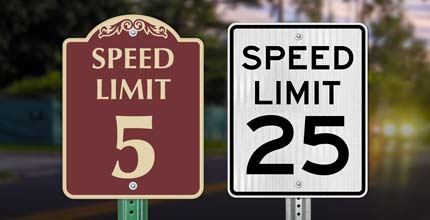
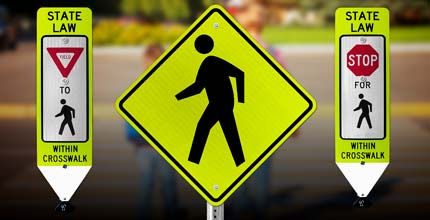
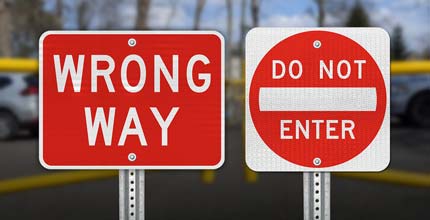
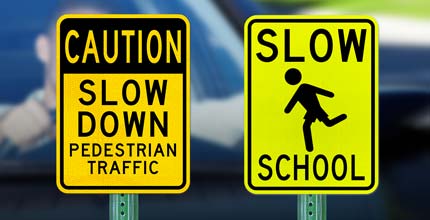
Common categories include regulatory signs (such as speed limits and stop signs), warning signs (such as curves or pedestrian crossings), guide signs (such as route markers and exit signs), and temporary traffic control signs for construction or events.
What standards do road signs follow?
Many road signs are designed according to MUTCD (Manual on Uniform Traffic Control Devices) and ANSI guidelines to ensure consistency in symbols, colors, and meanings. These standards help drivers recognize and interpret signs quickly and reliably.
What materials are road signs made from?
Road Signs are typically made from aluminum with a reflective surface to ensure durability and visibility in various weather conditions. Some temporary or low-cost signs may use heavy-duty plastic or composite materials.
Where should road signs be placed?
Road Signs should be placed in locations that give drivers sufficient time to read and respond. For example, stop and speed limit signs are positioned near intersections, while warning signs are placed ahead of curves, pedestrian crossings, or other potential hazards.
Can I use road signs on private property?
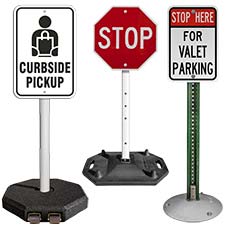
Yes, road signs can be used on private property such as parking lots, private drives, gated communities, and industrial campuses to regulate traffic and enhance safety. However, when used on public roads, they should meet applicable regulatory standards.
Are temporary road signs effective for construction zones?
Yes. Temporary road signs with high visibility and reflective elements are essential for construction zones. They provide advance notice of lane shifts, detours, reduced speed limits, and worker presence, improving safety for both motorists and workers.
Do road signs need to be reflective?
Reflective road signs improve safety by increasing visibility, especially at night or in low-light conditions. Many regulatory and warning signs include reflective sheeting to ensure messages are seen under headlights.
How do I choose the correct road sign for my needs?
Choosing the right road sign depends on the message you need to convey, where it will be used, and whether it must meet regulatory guidelines. Consider factors such as sign size, material, visibility requirements, and whether it will be permanent or temporary.
How should road signs be maintained?
Regular inspection is essential. Signs should be kept clean, free from obstruction, and replaced if faded, damaged, or no longer compliant with standards. Proper maintenance helps ensure longevity and continued effectiveness.