- Item #
- M3528-AF
- Compliance
-
- NFPA
- LEED Compliant
- UL® Recognized
- California Proposition 65
- ECCN Certification
- OSHA 1910.1200(c)
- REACH SVHC
Recommended Accessories
Product Information
Details
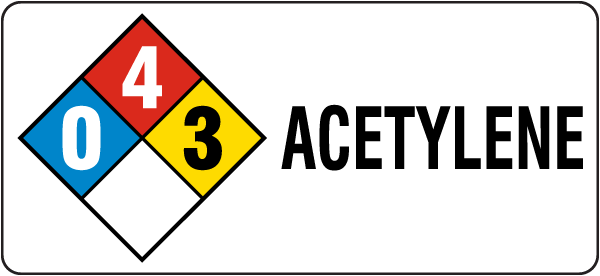
Commercial acetylene is generally considered a nontoxic gas that has been shown in experiments to have no chronic harmful effects even in high concentrations. In fact, it has been used as an anesthetic. Like most other gases, acetylene is a simple asphyxiant if present in such high concentrations that the lungs are deprived of their required supply of oxygen. In such cases, asphyxiation will result. It should be noted, however, that the lower flammable limit of acetylene in air will be reached well before asphyxiation can occur, and the danger of explosion is reached before any other health hazard is present. When in cylinders, acetylene production is principally used for oxy-acetylene welding, cutting, and heat treating.
This Acetylene Chemical Label, helps identify the use of, storage of and/or hazards of acetylene in your facility.
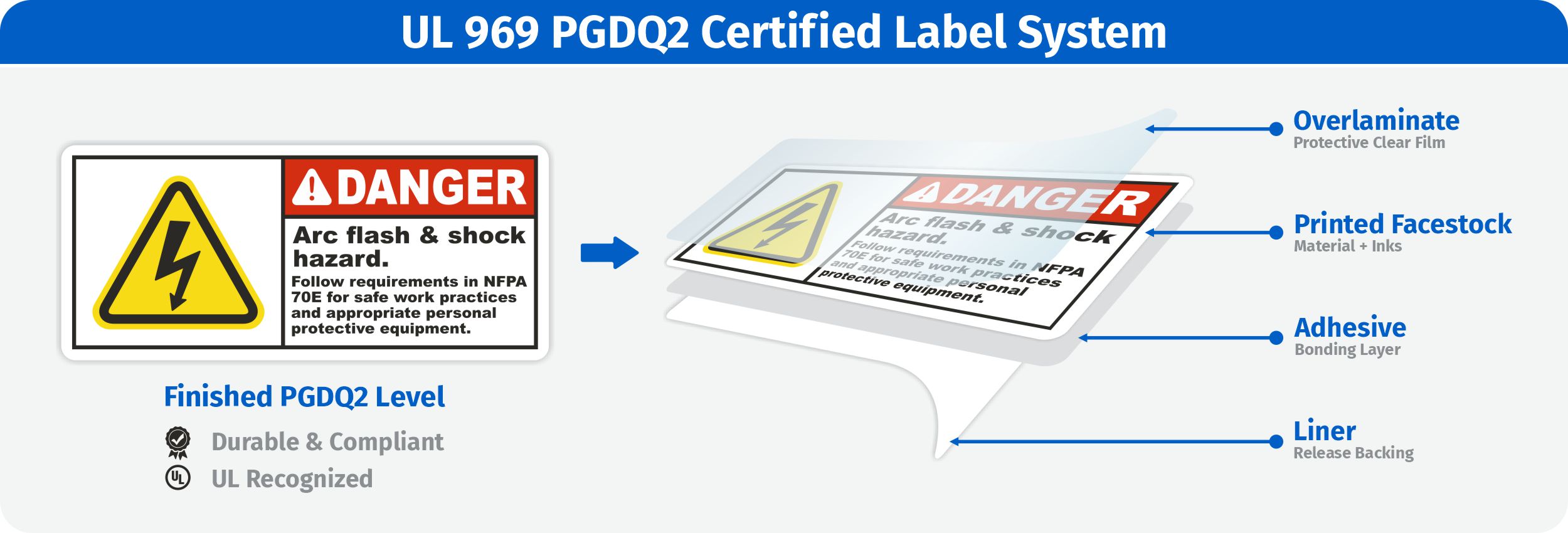
Why UL 969 Labels Are Important
| Proven Compliance & Liability Protection | UL 969 certification confirms the label meets rigorous durability and legibility standards recognized by safety regulators, reducing liability exposure for your customers. |
| Durability Built for Industrial Environments | The protective overlaminate resists abrasion, moisture, UV exposure, and chemicals — ensuring warnings remain legible throughout the product's service life, even in harsh conditions. |
| Supports Multi-Standard Compliance | Meets ANSI Z535 / OSHA requirements while also satisfying LEED, RoHS, CA Prop 65, REACH SVHC, and ECCN — a single label solution for customers with complex compliance. |
| Permanent Adhesive Performance | High-performance pressure-sensitive adhesive bonds permanently to industrial surfaces, eliminating the risk of labels peeling, shifting, or failing in the field. |
| Trusted by OEM & Safety Professionals | UL® Recognized marking signals quality to procurement teams, safety officers, and OEM customers who require verified materials for regulated labeling applications. |
Compliance Certifications
- UL® Recognized (UL 969)
- ANSI Z535 / OSHA
- RoHS Compliant
- LEED Compliant
- California Proposition 65
- REACH SVHC Compliant
- RCCN Certified
Additional Features
- Material Construction: 4-layer overlaminated construction — Clear Protective Overlaminate / 2 Mil White Polyester / Hi-Performance Permanent Pressure-Sensitive Adhesive backing / Polycoated Release Liner
- Temperature Range: -40°F to 302°F
- Suitable for: Painted metals, bare metals (aluminum, galvanized steel, stainless steel), glass, thermoplastics, thermoset plastics
- Application Method: Pressure-sensitive — apply with firm uniform pressure for complete surface contact
- Intended Applicator: Manufacturers, at place of manufacture — for use as component of complete equipment
- Life Expectancy- 5-8 years mid-continental United States
- Minimum Application Temperature: 50°F
Compliance
Technical Resources
Data Sheet