GHS Pictogram Labels
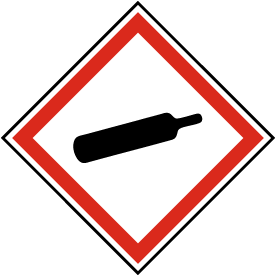
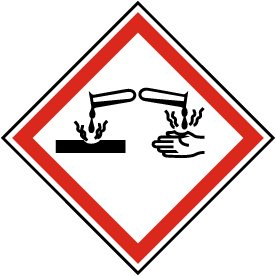
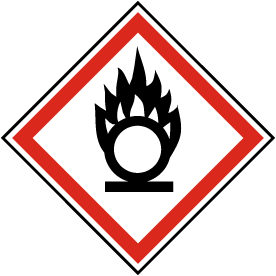
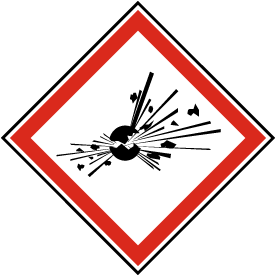
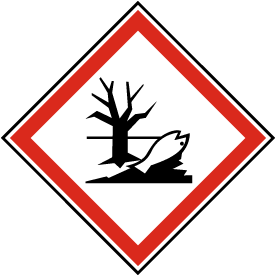
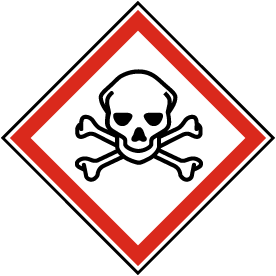
GHS Signs by Chemical Name
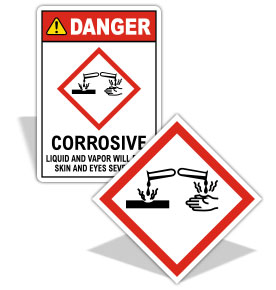
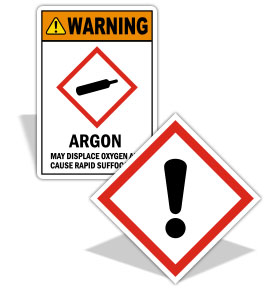
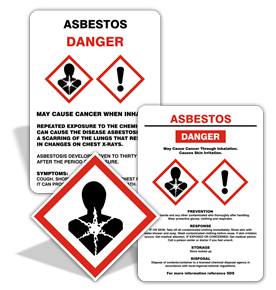
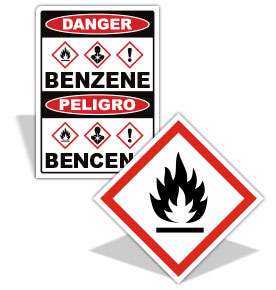
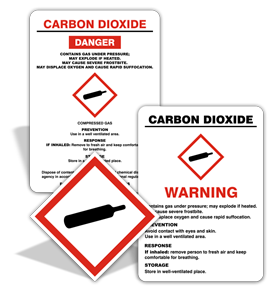
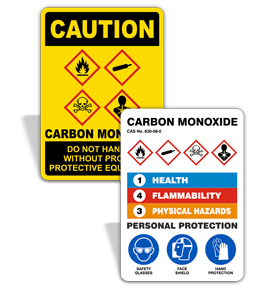
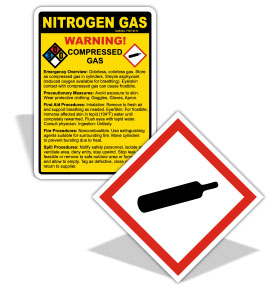
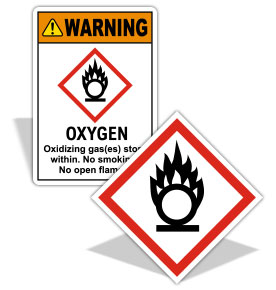
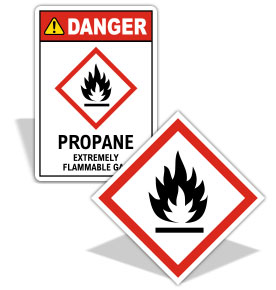
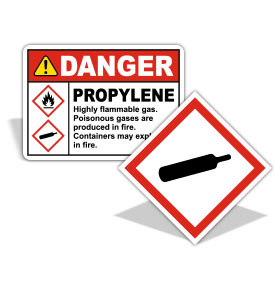
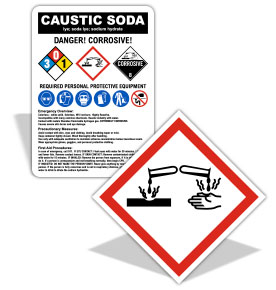
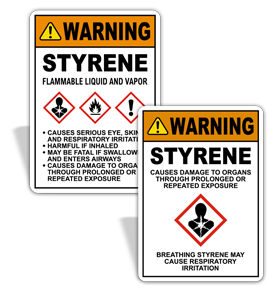
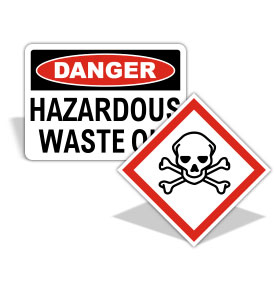
GHS Signs by Health / Physical Hazards
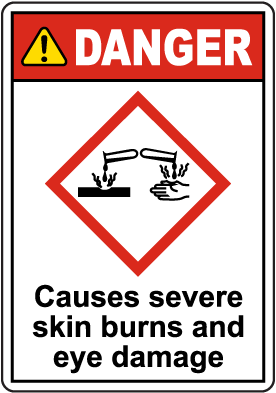
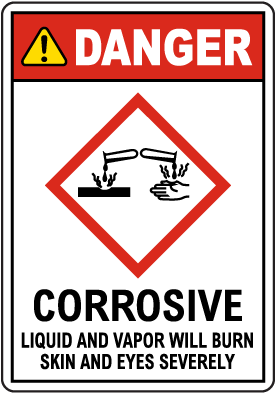
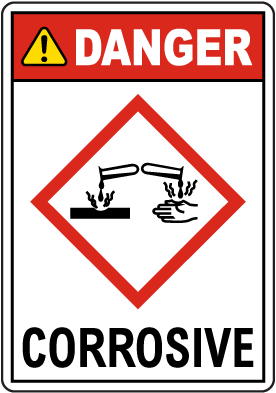
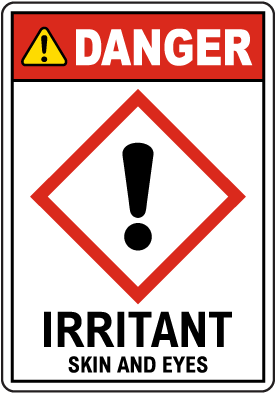
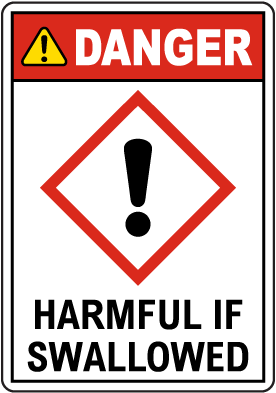
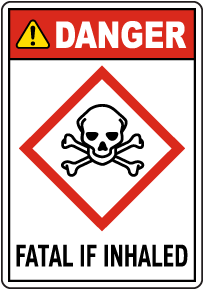
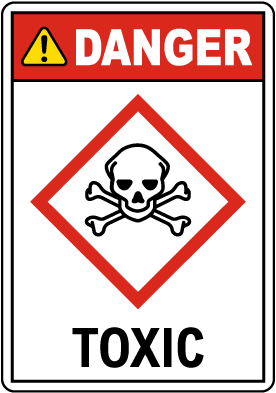
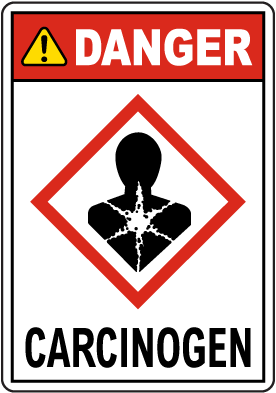
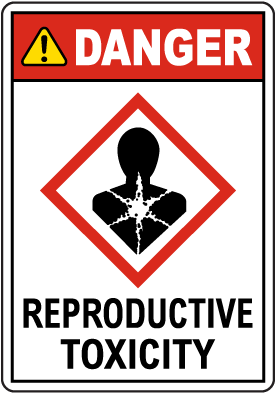
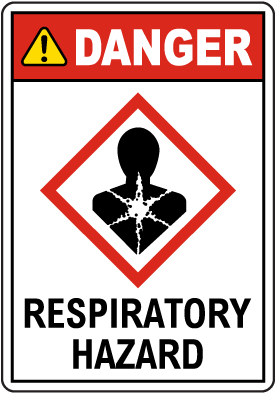
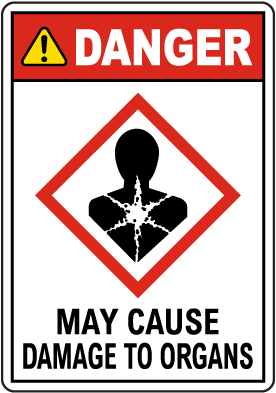
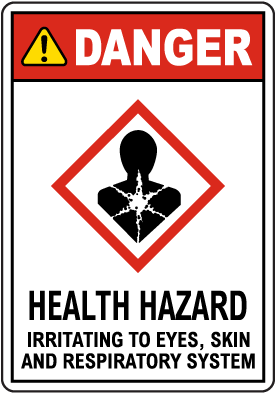
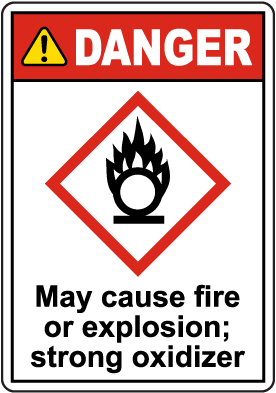
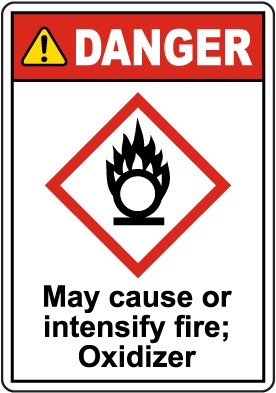
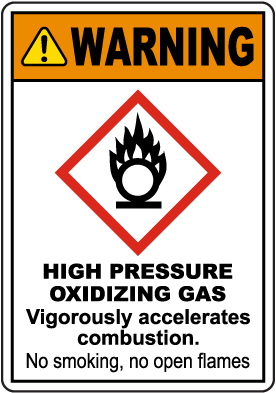
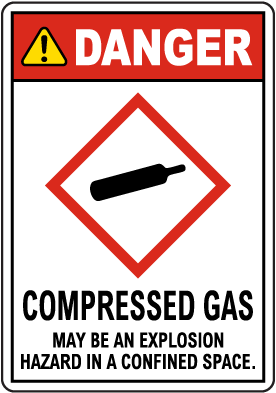
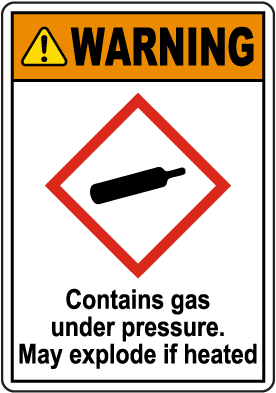
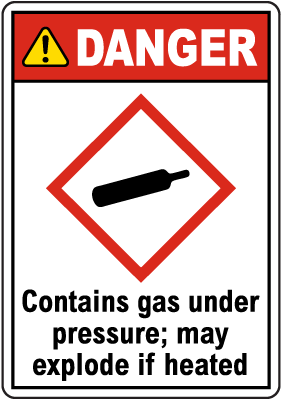
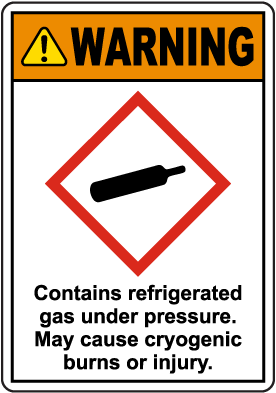
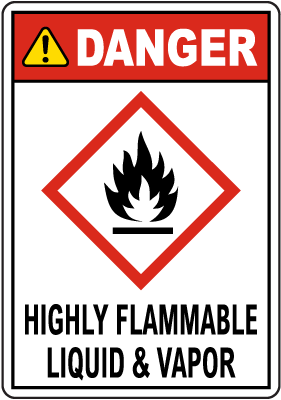
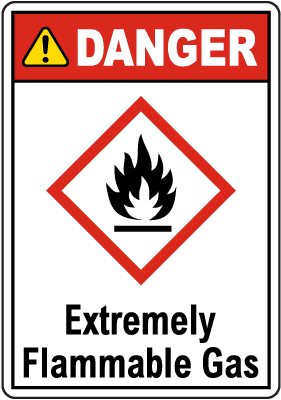
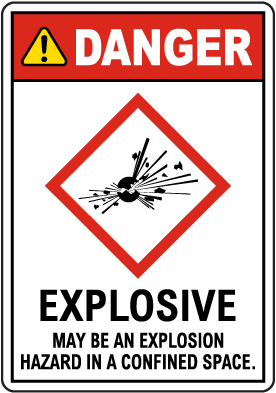
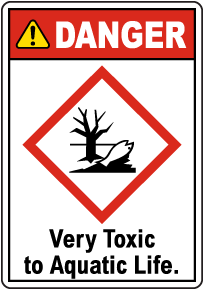
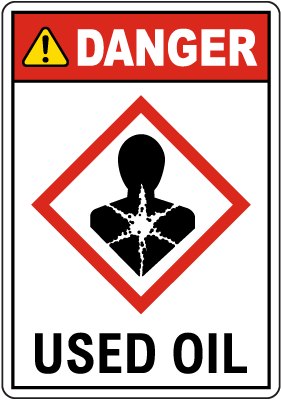
Bilingual GHS Safety Signs
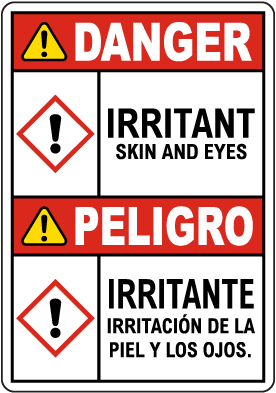
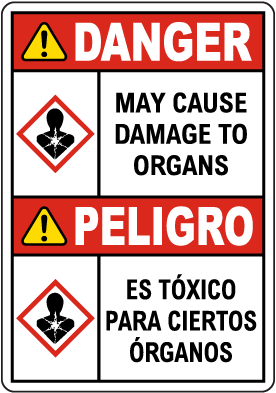
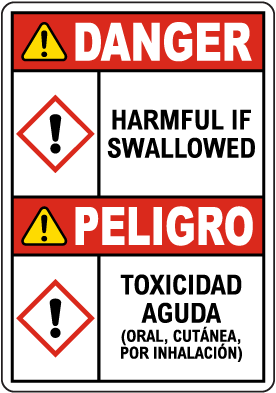
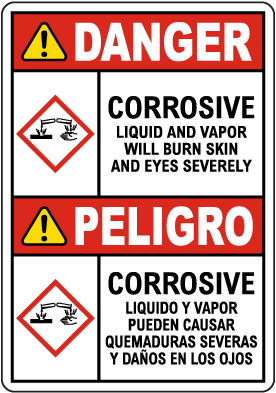
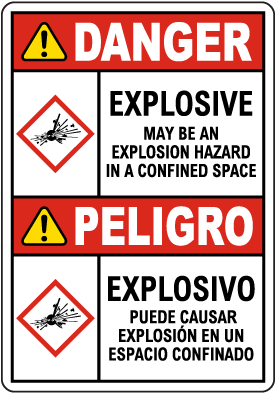
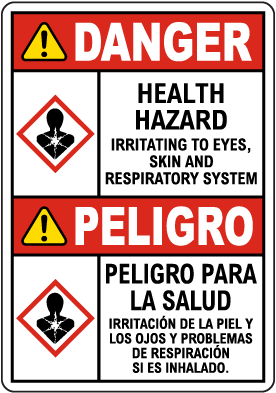
GHS Custom Signs
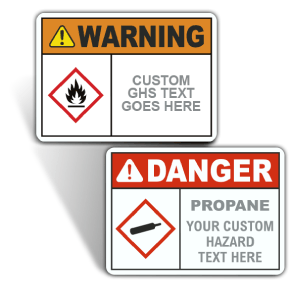
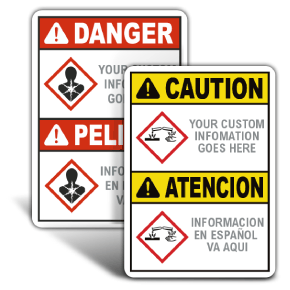
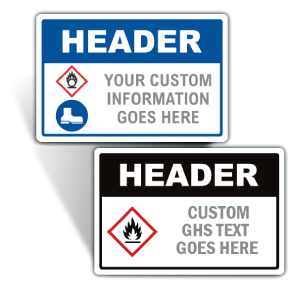
Other Categories You May Be Interested In
Hazard Communication Standard Pictogram
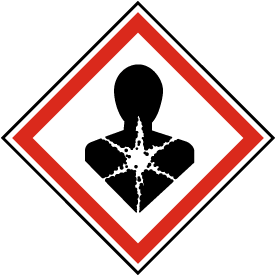
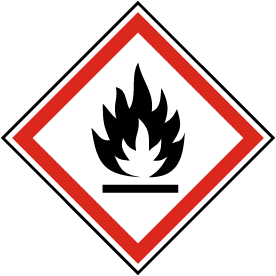
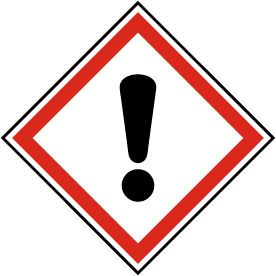
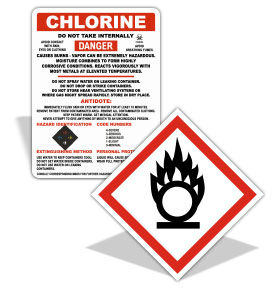
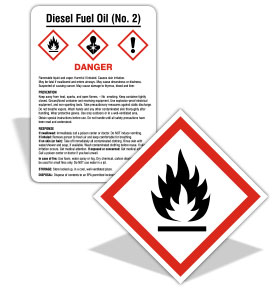
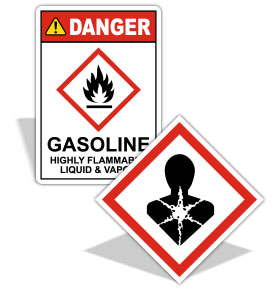
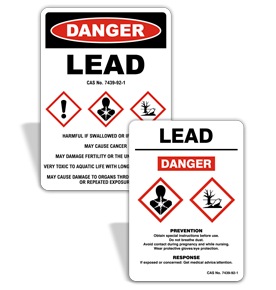
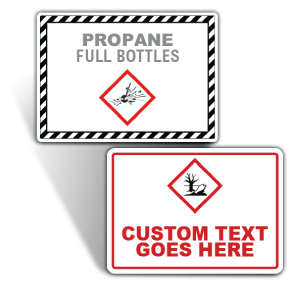
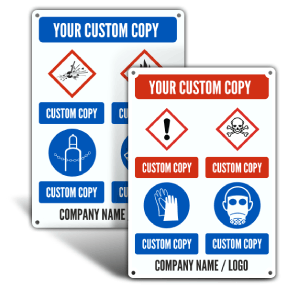
The Hazard Communication Standard (HCS) requires pictograms on labels to alert users of the chemical hazards to which they may be exposed. Each pictogram consists of a symbol on a white background framed within a red border and represents a distinct hazard(s). The pictogram on the label is determined by the chemical hazard classification.
For more information visit OSHA's Pictogram.
The Hazard Communication Standard (HCS) is now aligned with the Globally Harmonized System of Classification and Labeling of Chemicals (GHS). This update to the Hazard Communication Standard (HCS) will provide a common and coherent approach to classifying chemicals and communicating hazard information on labels and safety data sheets. This update will also help reduce trade barriers and result in productivity improvements for American businesses that regularly handle, store, and use hazardous chemicals while providing cost savings for American businesses that periodically update safety data sheets and labels for chemicals covered under the hazard communication standard.
For more information visit OSHA's Website.
The signs above represent our interpretation of material information in combination with NFPA 30 and NFPA’s Fire Protection Guide to Hazardous Materials. Without knowledge of your specific chemical, facility, or hazard, it’s impossible for us to guarantee these signs will match your situation. It is your responsibility to decide which signs are valid for your use and to comply with applicable laws and standards. This site is not intended as a substitute for expert analysis or professional consultation. We make no guarantee of the accuracy of the information on this site and assume no liability of injury or damage as a result of using our products.
GHS Labels FAQs
What purpose do GHS labels serve in regulated environments?
GHS Labels communicate globally standardized hazard information for chemicals through uniform pictograms, signal words, and hazard statements. This consistency ensures that workers, emergency responders, and inspectors can identify chemical hazards immediately, regardless of language or industry.
Do GHS labels need to include symbols or just text?
Pictograms are required under GHS to identify hazards visually. They are supported by signal words ("Danger" or "Warning") and hazard statements, creating a layered communication system that reduces misinterpretation.
When should GHS labels be updated or replaced?
Any time a substance is reformulated, reclassified, stored in a new container, or when a label becomes damaged or illegible. Inaccurate labels can lead to regulatory violations and unsafe handling.
How do GHS labels contribute to facility safety beyond compliance?
They guide proper PPE selection, storage segregation, and safe disposal methods. By making chemical hazards instantly recognizable, they reduce accidental contact, equipment damage, and cross-contamination.
Where are GHS labels most commonly applied?
On chemical containers, storage units, dispensers, secondary transfer bottles, and waste drums used in laboratories, warehouses, refineries, manufacturing facilities, and healthcare environments.