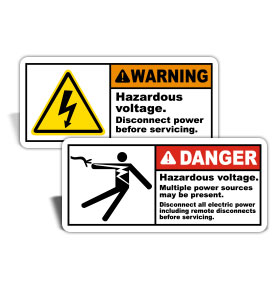
Electric Safety Labels
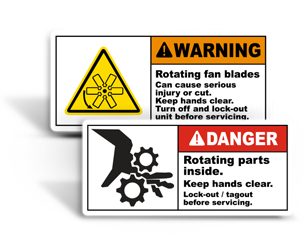
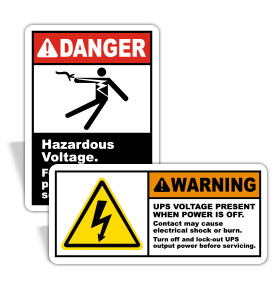
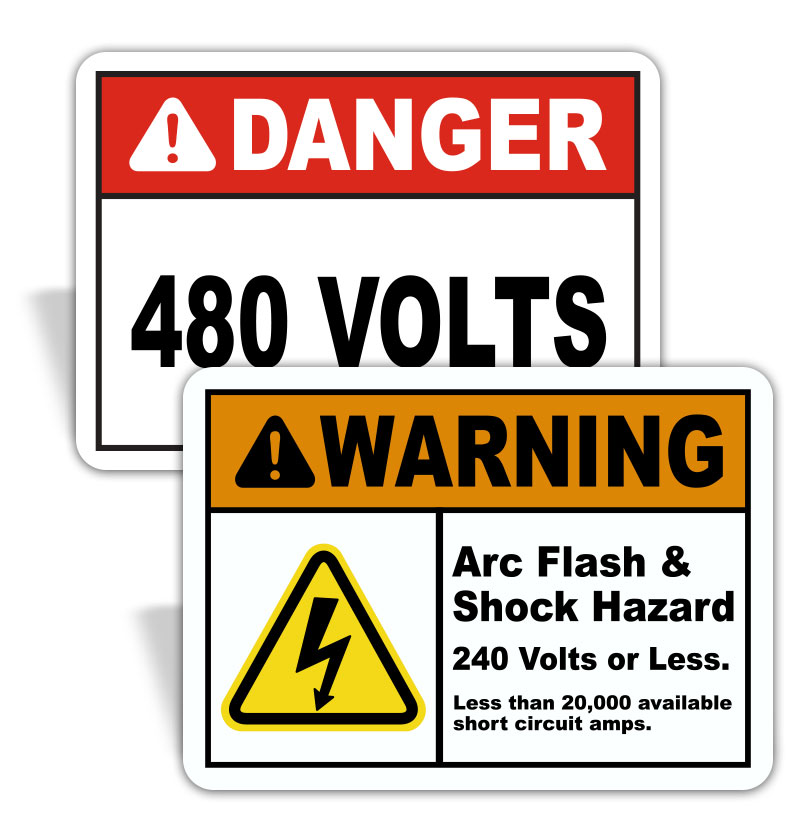
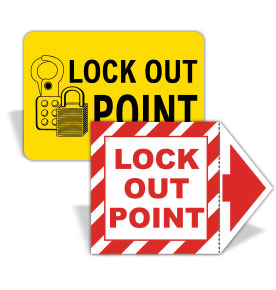
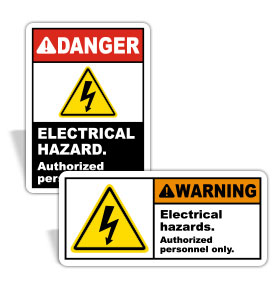
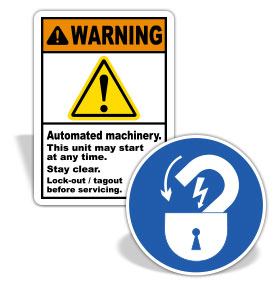
Prevent accidents and protect workers with our durable, compliant electrical safety labels. Designed to warn of shock, arc flash, and high-voltage hazards, these labels make it easy to identify electrical dangers and reinforce lockout/tagout and safety procedures throughout your facility.
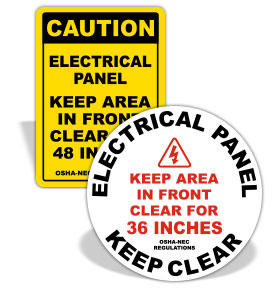
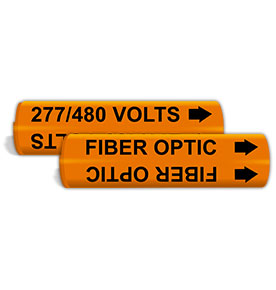
Our collection includes high-voltage labels, arc flash warning labels, disconnect notices, and electrical panel markers—all made from industrial-grade vinyl, laminated polyester, and adhesive materials built to withstand heat, oil, moisture, and UV exposure.
Ideal for manufacturing plants, electrical rooms, construction sites, and maintenance operations, our electrical safety labels meet OSHA 1910.145 and ANSI Z535 standards for color, format, and hazard communication.


Electrical Safety Labels
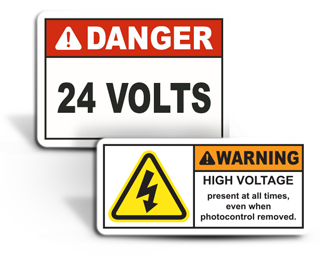

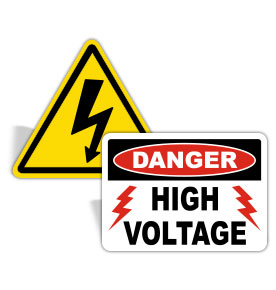
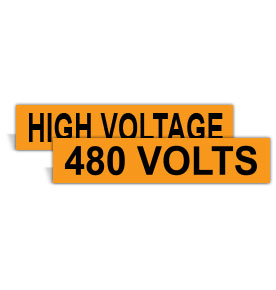

Other Categories You May Be Interested In
Electrical Safety Labels FAQs
What are electrical safety stickers used for?
They are used to mark electrical equipment, panels, wires, or enclosures that pose risk of shock, arc flash, high voltage, or other electrical hazards - warning people to take proper precautions.
What information should a good electrical safety sticker include?
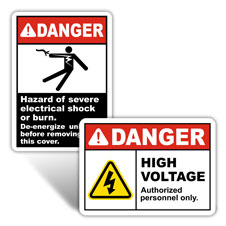
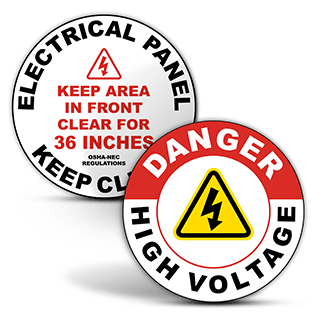
A proper sticker should include a hazard pictogram (for example a lightning bolt), a signal word ("DANGER," "WARNING," or "CAUTION"), and a clear description of the risk (like "High Voltage," "Electrical Shock Hazard," "Disconnect Before Maintenance").
Where should electrical safety stickers be placed?
Stickers should be affixed directly on or immediately adjacent to electrical panels, switchgear, junction boxes, control cabinets, wiring enclosures, or any exposed live electrical components - at eye‑level or other clearly visible positions before access or operation.
Why are electrical safety stickers important?
They alert anyone approaching electrical equipment to potential danger, promote safe practices (such as de-energizing before maintenance), help prevent accidents like electric shock or arc flash, and support safety awareness in workplaces and industrial environments.
What materials should electrical safety stickers be made of to ensure durability and effectiveness?
They should be made from durable, chemical‑ and moisture‑resistant materials (like vinyl or laminated polyester), with adhesives that withstand temperature changes, humidity, oil, or dust - ensuring the sticker remains intact and legible over time.
Can electrical safety stickers support regulatory compliance and workplace safety standards?
Yes. Proper labeling of energized components helps meet requirements for hazard communication in electrical safety regulations, ensuring that hazards are clearly indicated and personnel are properly warned before interacting with electrical systems.