Electrical Hazard Labels
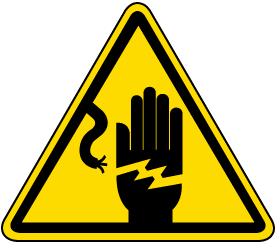
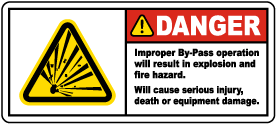
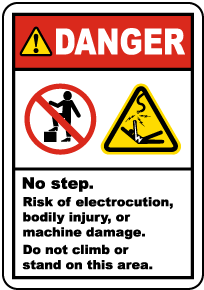
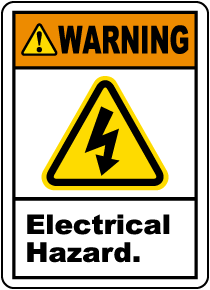
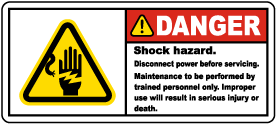
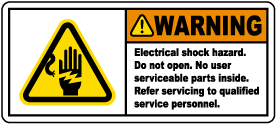
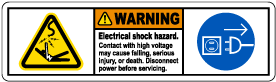
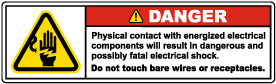
Other Categories You May Be Interested In
Electrical Hazard Labels FAQs
What are electrical warning labels used for?
Electrical warning labels are used to alert people to the presence of electrical hazards - such as high voltage, live circuits, arc flash risk, or energized equipment - so they know to proceed with caution or avoid contact.
Where should electrical warning labels be placed?
They should be affixed directly on or near electrical panels, switchboards, control cabinets, disconnect points, machinery with energized components, and any equipment or enclosure where electrical risk exists.
What information should a proper electrical warning label include?
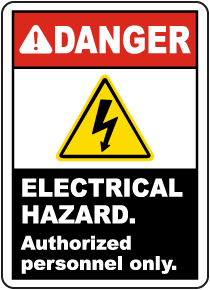
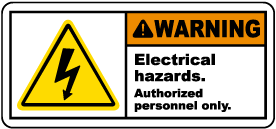
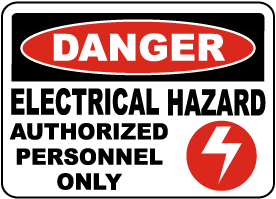
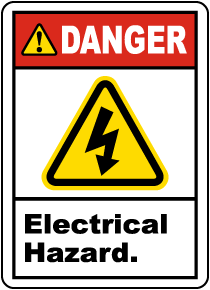
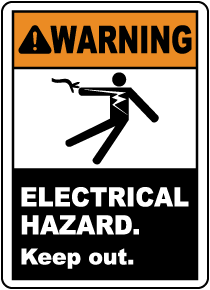
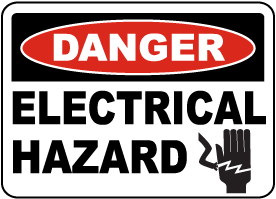
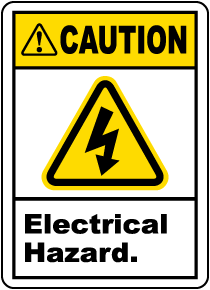
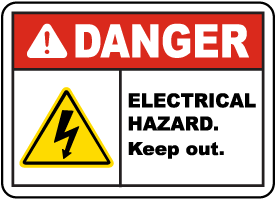
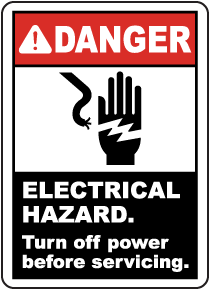
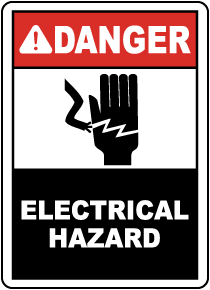
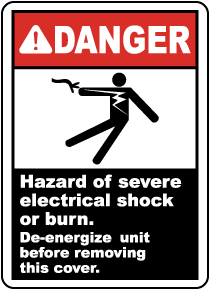
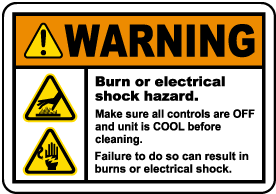
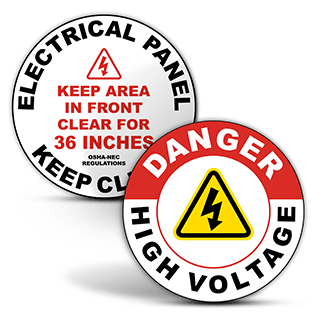
A correct label should use a clear hazard symbol (e.g. a lightning bolt), a signal word (such as "Danger," "Warning," or "Caution"), and a concise hazard description (e.g. "High Voltage," "Electrical Shock Hazard," or "Arc Flash Hazard") to clearly communicate the risk.
Why are electrical warning labels important for safety?
They help prevent serious injuries, such as electric shock, burns, arc-flash incidents, or fires, by making electrical hazards immediately visible and understandable - prompting safe behavior and awareness before contact.
What makes a good electrical warning label durable and effective?
Effective labels are printed on materials resistant to moisture, chemicals, abrasion, and UV exposure - such as laminated polyester or heavy‑duty vinyl - and maintain readability over time even in harsh or industrial environments.
Do electrical warning labels help with compliance and safety standards?
Yes. Proper labeling of energized equipment supports compliance with safety regulations and electrical codes that require adequate hazard communication, contributing to safer workplaces and reducing liability risks.