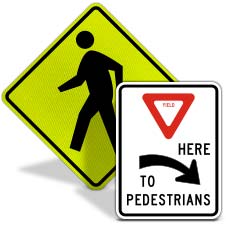
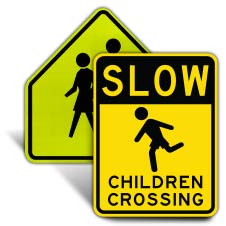
Crossing Signs
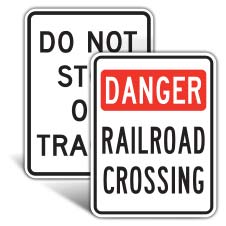
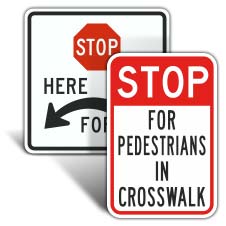
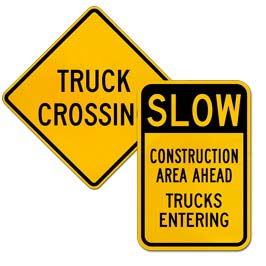
Keep pedestrians, cyclists, and drivers safe with our durable crossing signs. Designed for maximum visibility and compliance with MUTCD standards, these signs clearly alert motorists to upcoming crosswalks, school crossings, and other pedestrian or animal crossings.
Made from long-lasting aluminum with reflective sheeting, our crossing signs remain visible day and night, even in harsh weather conditions. Whether you’re managing traffic near schools, workplaces, or busy intersections, these signs provide the clear communication needed to reduce accidents and improve roadway safety.
Choose from a wide selection of crossing signs to ensure drivers stay alert and pedestrians can cross safely.


Crossing Signs
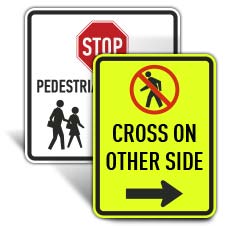

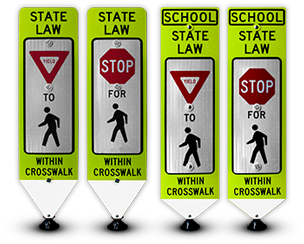
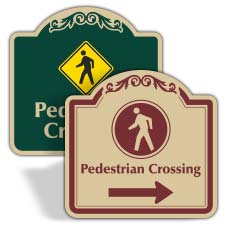
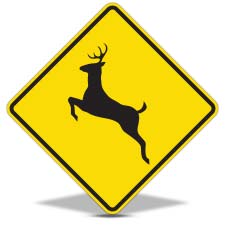
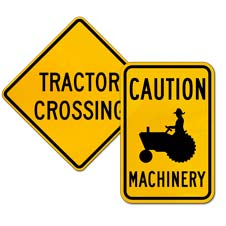
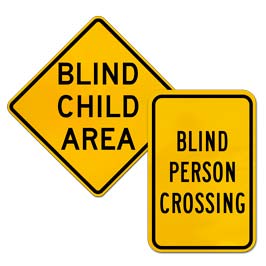
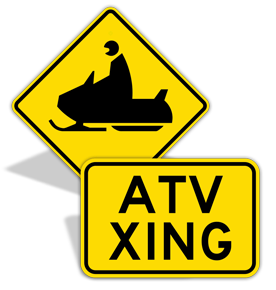
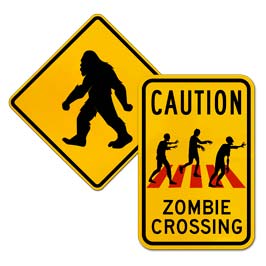
Crossing Signs FAQs
What are pedestrian safety signs used for?
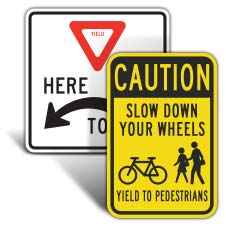
Pedestrian safety signs are used to mark crosswalks, pedestrian zones, and areas of shared traffic, alerting drivers to the presence of people walking and encouraging caution.
Why are pedestrian safety signs important?
They help prevent accidents by warning drivers early that pedestrians may be crossing, and guide pedestrians to safe crossing points - reducing the risk of collisions and improving overall road safety.
What kinds of pedestrian signs are common?
Common types include crosswalk signs, pedestrian‑crossing warning signs, "pedestrian zone" markers, and signs indicating pedestrian priority or shared‑space areas.
Where should pedestrian safety signs be placed to be effective?
Signs should be placed near crosswalks, intersections, parking lots, school zones, public‑transport stops, residential areas, or any areas where people frequently walk or cross roads - so that both drivers and pedestrians are properly alerted.
What material and design features make pedestrian signs effective?
Effective pedestrian signs use highly visible colors, bold pictograms or symbols, high‑contrast text, and durable, weather‑resistant materials (such as reflective aluminum or resilient plastic), ensuring visibility day and night, and lasting durability.
Can pedestrian safety signs improve driver and pedestrian behavior?
Yes. By clearly marking crossing zones and potential pedestrian activity, these signs encourage safer driving (slowing down, yielding) and safer pedestrian behavior (using designated crossings), promoting mutual awareness and reducing accidents.