Crane Safety Signs







Crane and Hoist Tags


Other Categories You May Be Interested In

Crane Safety Signs FAQs
What are crane signs used for?
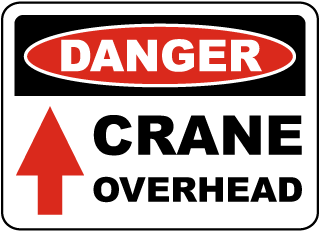
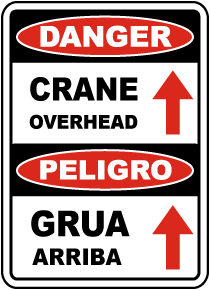
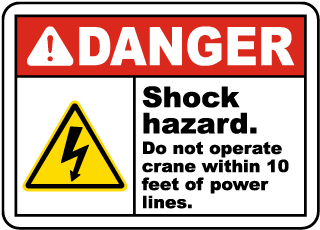
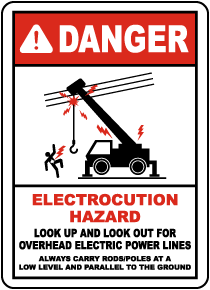
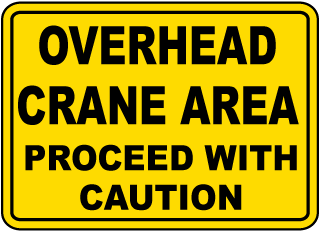
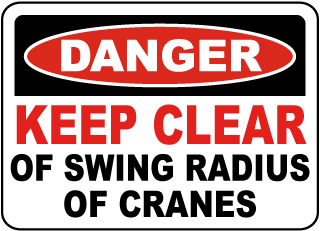
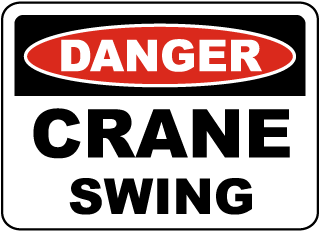
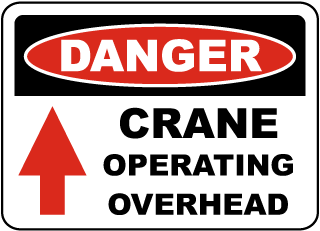
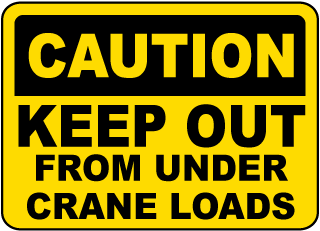
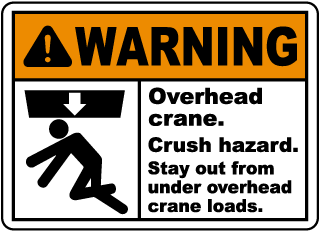
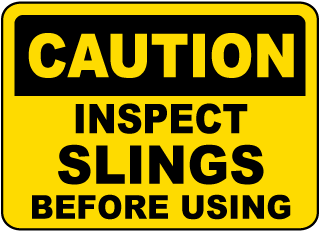
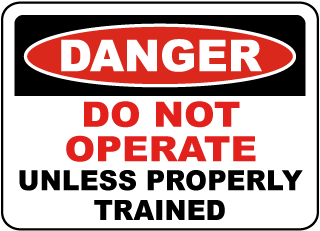
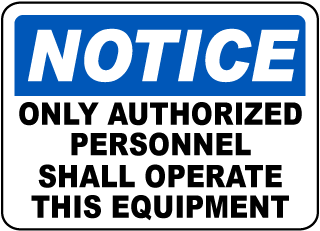
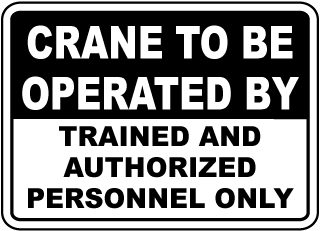
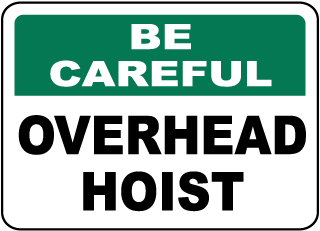
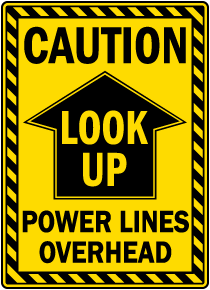
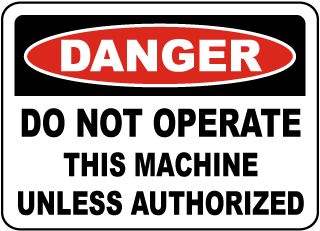
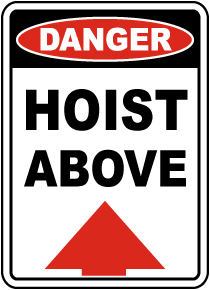
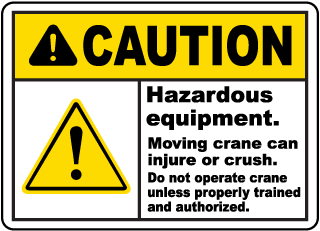
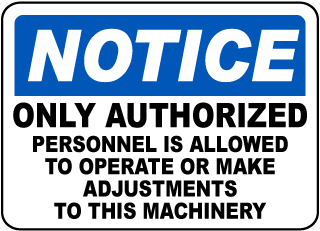
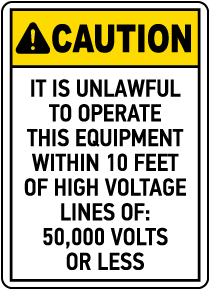
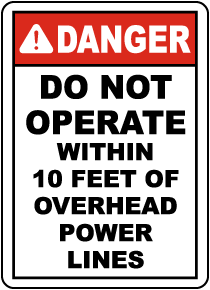
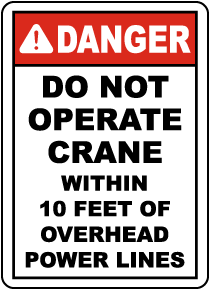
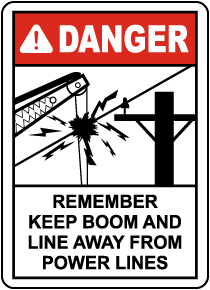
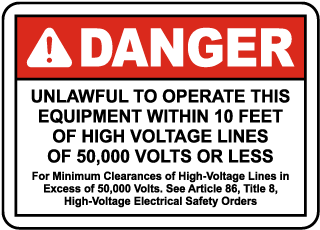
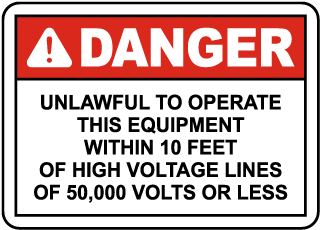
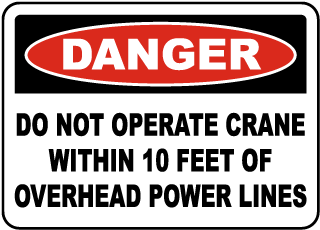
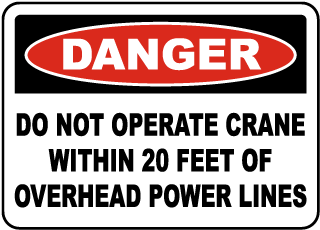
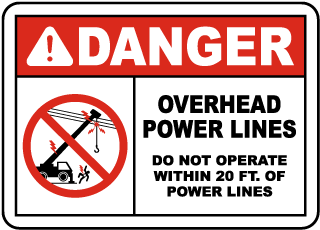
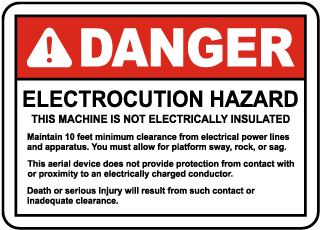
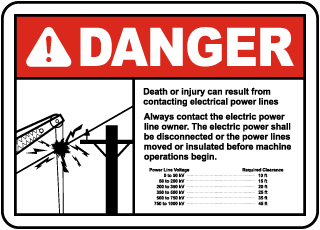
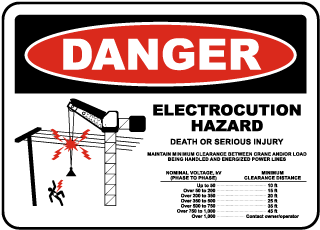
Crane signs are used to alert personnel and visitors about dangers related to crane operations - such as overhead loads, moving cranes, swing‑radius hazards, or proximity to power lines - to help prevent accidents and injuries.
Where should crane signs be placed?
Crane signs should be placed at or near crane operation zones, entrances to areas with active crane use, under overhead load paths, near swing‑radius zones, at power‑line clearance zones, or any area where crane hazards exist.
What types of hazards do crane signs warn about?
Common hazards include falling or suspended loads, moving crane equipment or hooks, swing‑radius zones, overhead power‑line proximity, restricted access zones, and general danger associated with heavy lifting and crane operations.
What design features make crane signs effective?
Effective crane signs use high‑visibility colors (like yellow and black), bold warning text or signal words such as "Danger" or "Warning," standardized hazard pictograms, and durable materials suitable for indoor or outdoor use - ensuring warnings are clear, recognizable, and long-lasting.
Why are crane signs important for workplace safety?
Crane signs help communicate significant hazards quickly and clearly, reducing risk of serious incidents (like struck‑by, falling load, or electrocution). They support safe behavior, warn unauthorized personnel to stay clear, and help ensure compliance with safety practices.
Can crane signs help with compliance and formal safety standards?
Yes. Using crane signs appropriately helps meet safety signage requirements in workplaces with lifting or overhead equipment, and supports risk‑communication protocols required for safe crane operation environments.