Clearance Signs
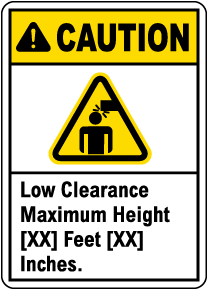
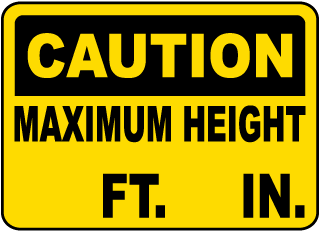
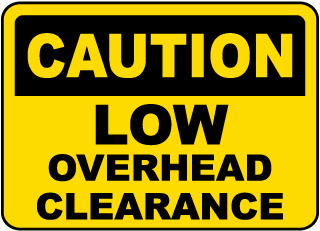
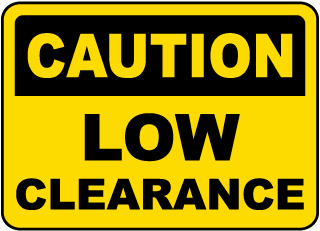
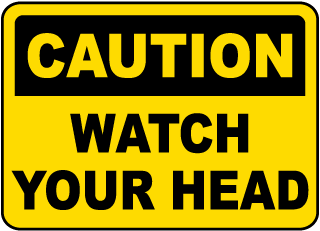
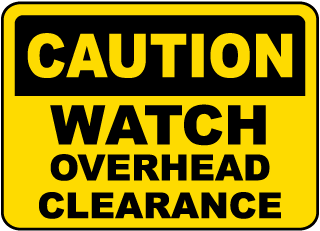
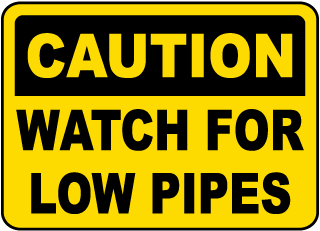
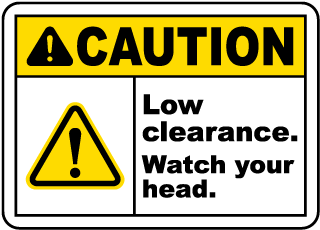
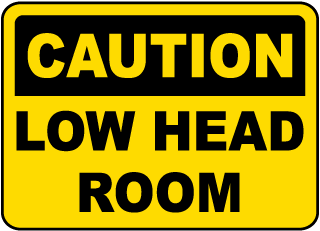
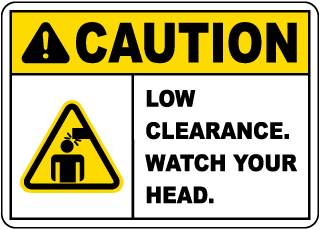
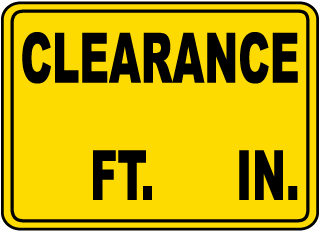
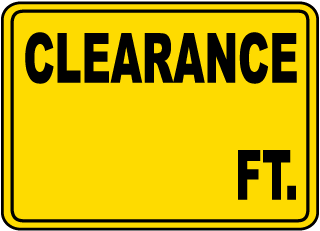
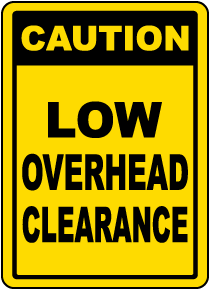
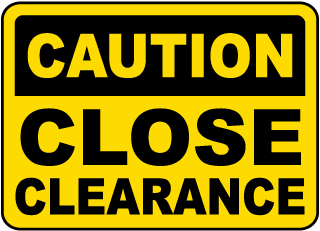
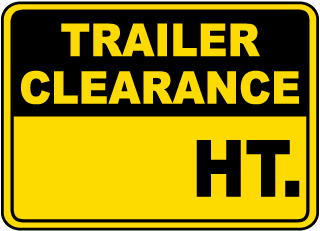
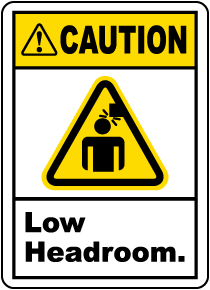
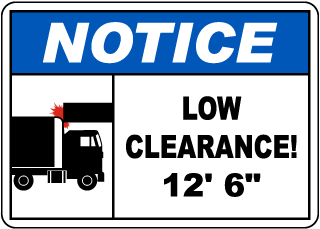
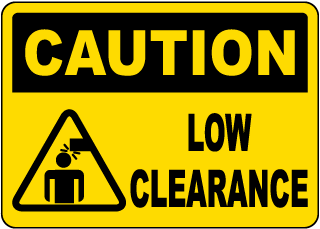
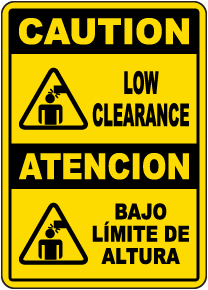
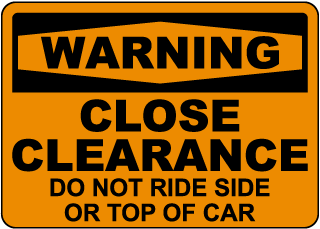
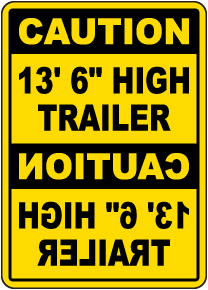
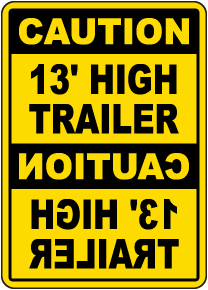
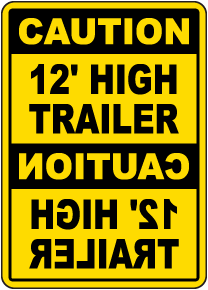
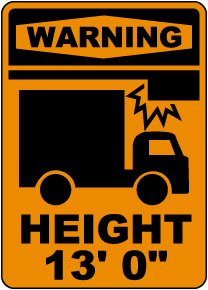
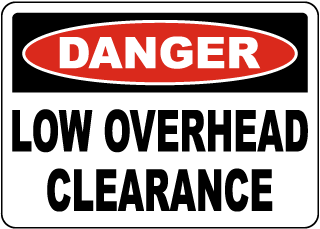
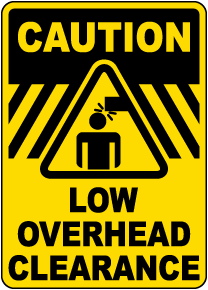
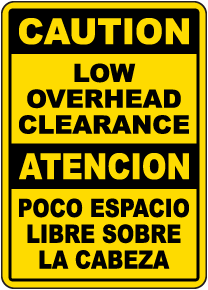
Low Headroom Signs
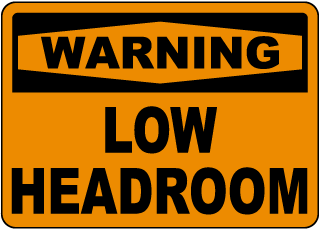
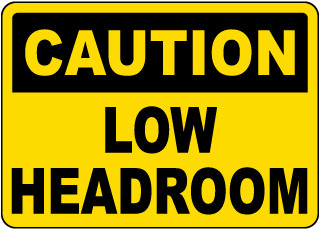
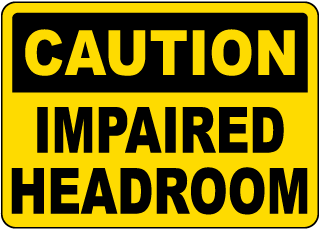
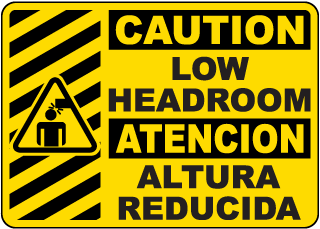
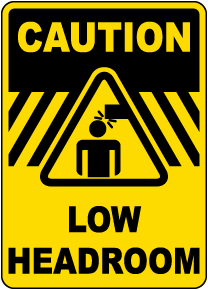
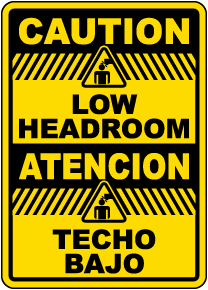
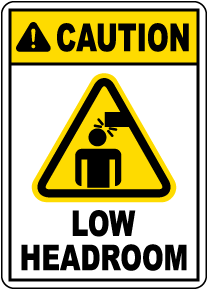
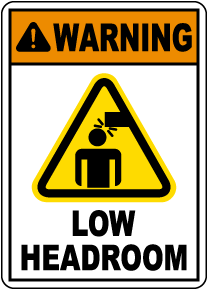
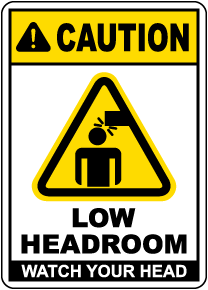
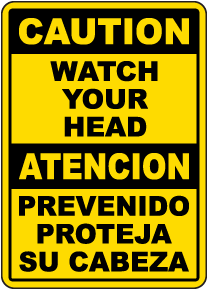
Other Categories You Might Be Interested In
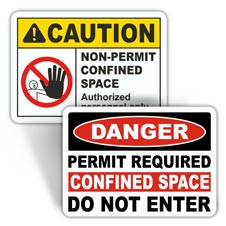
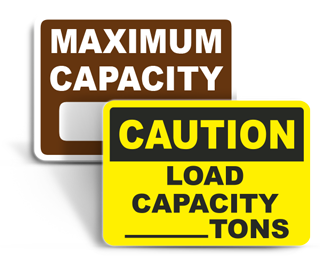
Clearance Signs FAQs
What is a height clearance sign used for?
It is used to alert drivers and vehicle operators to overhead height restrictions - such as low bridges, tunnels, overhead beams, parking garages or other structures - so they can avoid collisions if their vehicle is too tall.
Where should a height clearance sign be placed?
It should be placed at or before the entry to a restricted‑height zone - such as prior to a bridge, tunnel, garage entrance, underpass or loading dock - and clearly visible from the approach to give drivers enough time to stop or reroute.
What information must a proper height clearance sign include?
The sign should clearly display the maximum vertical clearance (height limit), typically in feet‑inches or meters, and use bold, high‑contrast text to ensure visibility. A warning header or symbol may be added to draw attention to the hazard.
Why are height clearance signs important for road and facility safety?
Because they help prevent serious accidents such as vehicle‑roof impacts, structural damage, crashes with overhead structures, and they protect both the vehicle and the infrastructure - ensuring safety for drivers, pedestrians, and occupants.
What materials should a durable height clearance sign be made of?
Durable materials like aluminum, coated metal, or heavy‑duty plastic (often with reflective or weather‑resistant finishes) are preferred to ensure the sign stays visible and intact even in harsh outdoor conditions.
When should clearance signage be used instead of relying on drivers' judgment?
Whenever there is any overhead structure with limited vertical clearance - bridges, tunnels, garages, overpasses, or industrial entryways - a clearance sign should be installed to provide a clear, standardized warning rather than relying on assumptions or estimations.