Chemical Hazard Labels
Keep workers informed and your facility compliant with our durable chemical hazard labels. Designed to meet OSHA and GHS (Globally Harmonized System) requirements, these labels clearly communicate chemical dangers, handling instructions, and protective measures to help prevent workplace accidents and exposure.
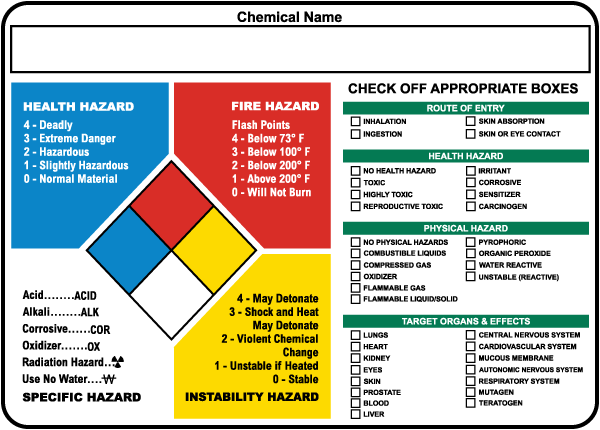
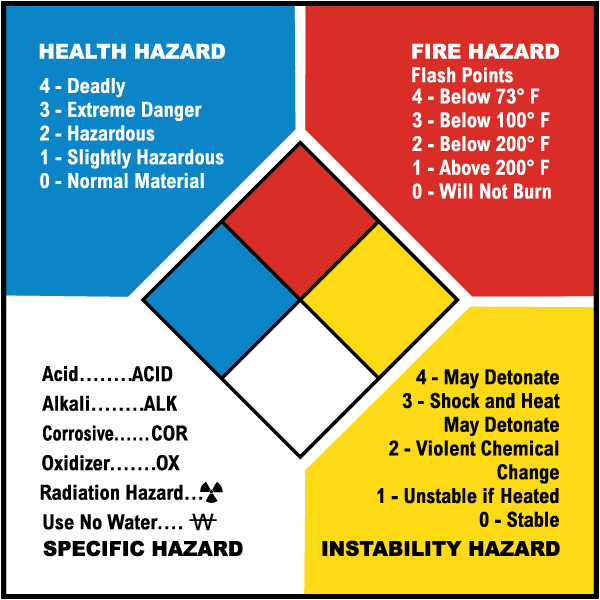
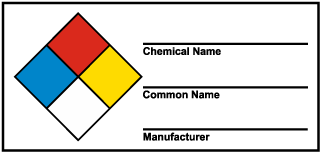
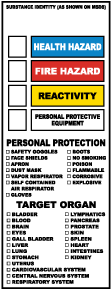
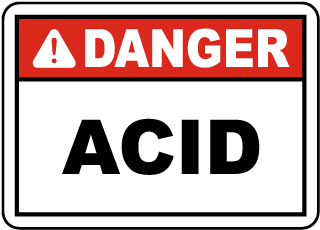
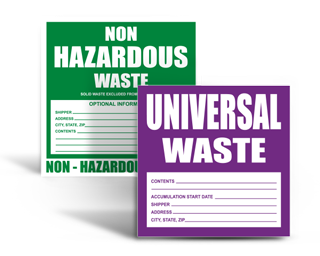
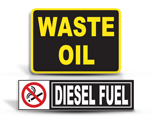
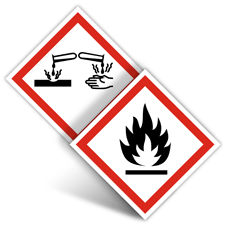
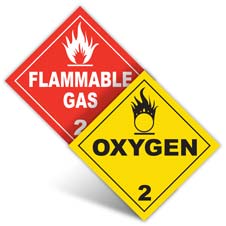
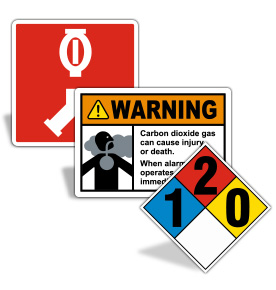
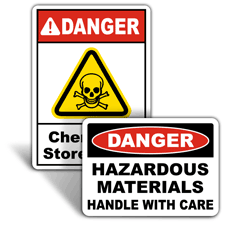
Our collection includes GHS pictogram labels, NFPA diamond labels, corrosive and flammable warnings, toxic substance identifiers, and custom chemical labels. Made from chemical-resistant vinyl and laminated polyester, our chemical hazard labels remain legible even in harsh environments with frequent cleaning, moisture, or chemical contact.
Ideal for laboratories, manufacturing plants, warehouses, and transport facilities, these labels promote safe chemical storage, handling, and transportation while supporting compliance with OSHA 1910.1200 and GHS classification standards.


Best Selling Chemical Hazard Labels

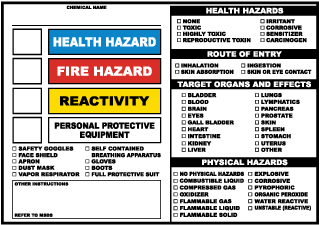
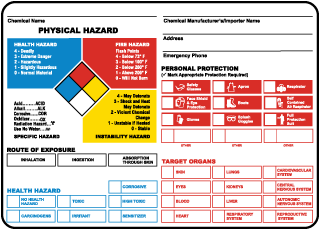

Chemical Hazard Labels
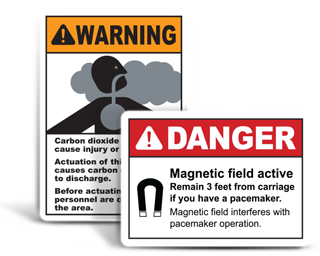
Other Categories You May Be Interested In
Chemical Hazard Labels FAQs
What are chemical hazard labels used for?
Chemical Hazard Labels are used to identify and communicate the dangers associated with chemicals - such as flammability, toxicity, reactivity, and corrosiveness - so that anyone handling, storing, or transporting these chemicals is aware of the risk and necessary precautions.
What information should a proper chemical label include?
A proper chemical label should include a product identifier, a signal word (like "Danger" or "Warning"), hazard pictograms, hazard statements describing the type of danger, precautionary statements for safe handling, storage and disposal, and supplier or manufacturer identification.
Why are chemical hazard labels important for workplace safety?
They provide clear, standardized warnings that help workers understand the hazards before handling a substance, reducing accidents, chemical exposures, improper storage or disposal, and facilitating safe handling and emergency response.
Where should chemical hazard labels be applied?
Labels should be affixed to all containers of hazardous chemicals, including both primary containers from manufacturers and any secondary containers used internally, ensuring hazard information is always visible.
What makes a chemical hazard label durable and suitable for harsh environments?
Durable labels are made from chemical-resistant vinyl or laminated polyester that resists fading, moisture, solvents, abrasion, and remains legible even under frequent cleaning or chemical exposure.
Can chemical hazard labels be customized for specific facility needs?
Yes. Labels can be customized to match specific chemicals, hazard classifications, storage conditions, or identification systems used in a facility, while still including all required elements under OSHA and GHS guidelines.