Cancer Hazard Signs
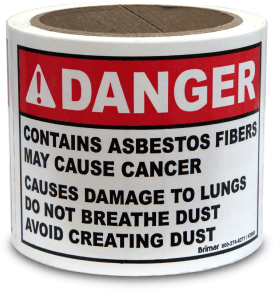
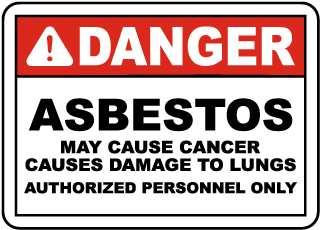
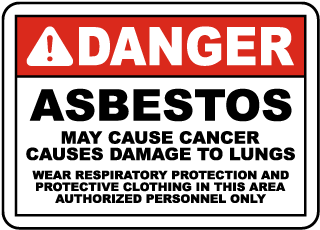
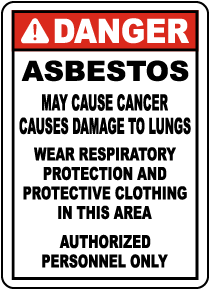
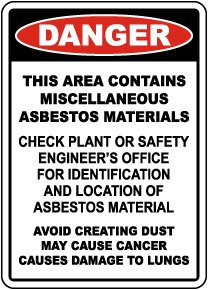
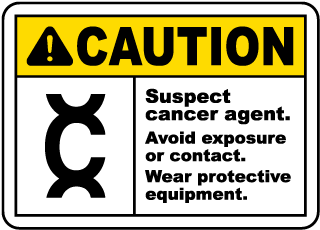
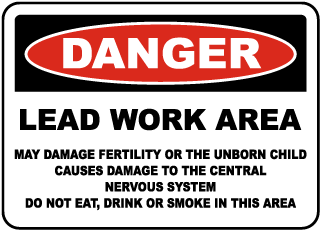
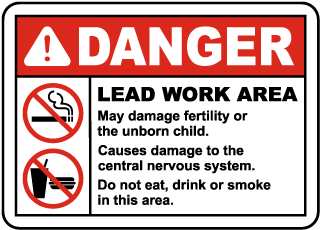
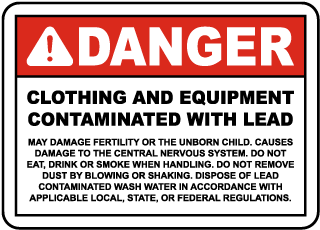
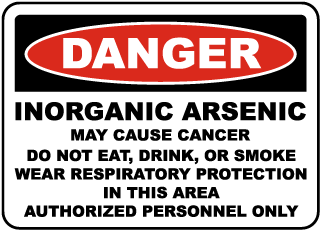
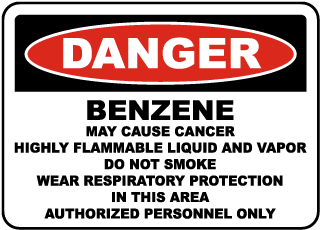
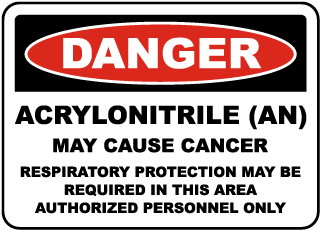
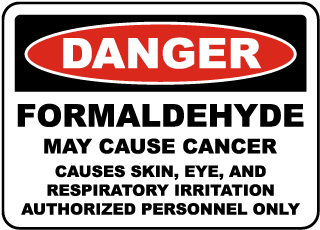
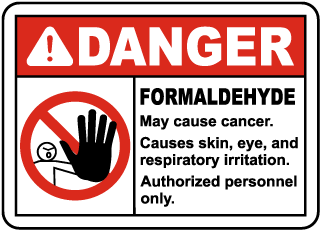
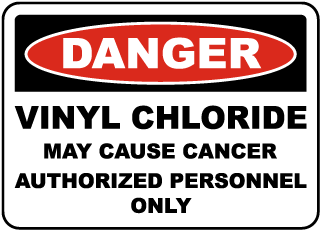
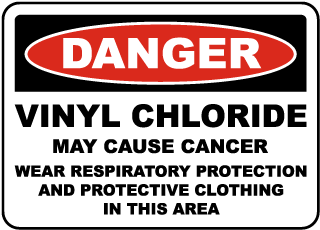
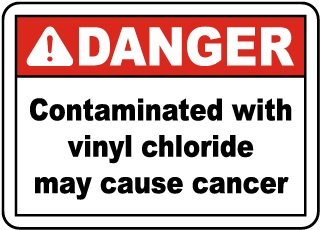

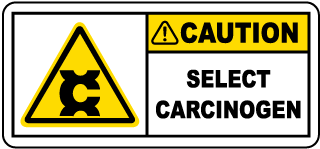
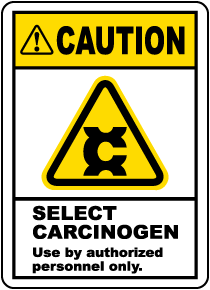
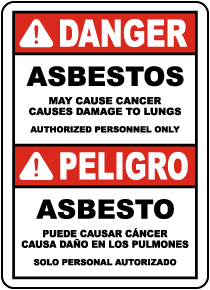
Bilingual Cancer Hazard Signs
Cancer Hazard Signs FAQs
What is a carcinogen sign used for?
A carcinogen sign is used to warn people that a specific area, container, or chemical involves substances that are known or suspected to increase the risk of cancer, so that proper caution and protective measures are taken.
Where should a carcinogen sign be placed?
The sign should be placed at or near chemical storage areas, laboratories, waste containers, processing zones, or any location where carcinogenic substances are handled, stored or disposed - so the hazard is clearly visible before anyone enters or handles materials.
What information should a proper carcinogen sign include?
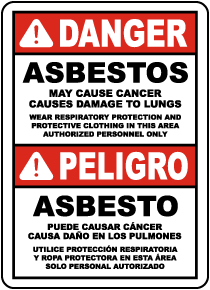
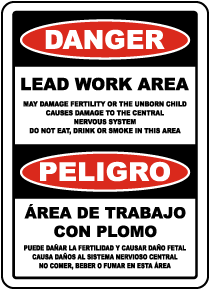
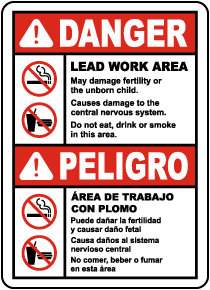
A proper sign should include a clear hazard pictogram for health hazards, a strong signal word such as "Danger" or "Warning," and a concise hazard statement like "May Cause Cancer" or "Cancer Hazard" to clearly communicate the long-term health risk.
Why are carcinogen signs important, even if the hazard isn't immediately obvious?
Some carcinogens do not cause immediate symptoms - the health risk emerges over time and with repeated exposure. Signs ensure that even long-term or hidden risks are communicated and that personnel treat chemical handling and storage with appropriate care.
What materials should carcinogen signs be made from?
They should be produced with durable, chemical‑ and moisture‑resistant materials such as vinyl, laminated plastic, or coated metal so that the warnings remain legible and effective in harsh, industrial, or chemically‑active environments.
Can carcinogen signs help support regulatory compliance and workplace safety protocols?
Yes. Using clear carcinogen warning signs is part of a broader hazard communication system which helps ensure that hazardous chemicals are properly identified and managed - reducing liability and helping protect workers' health.