ANSI Class 3 Safety T-Shirts
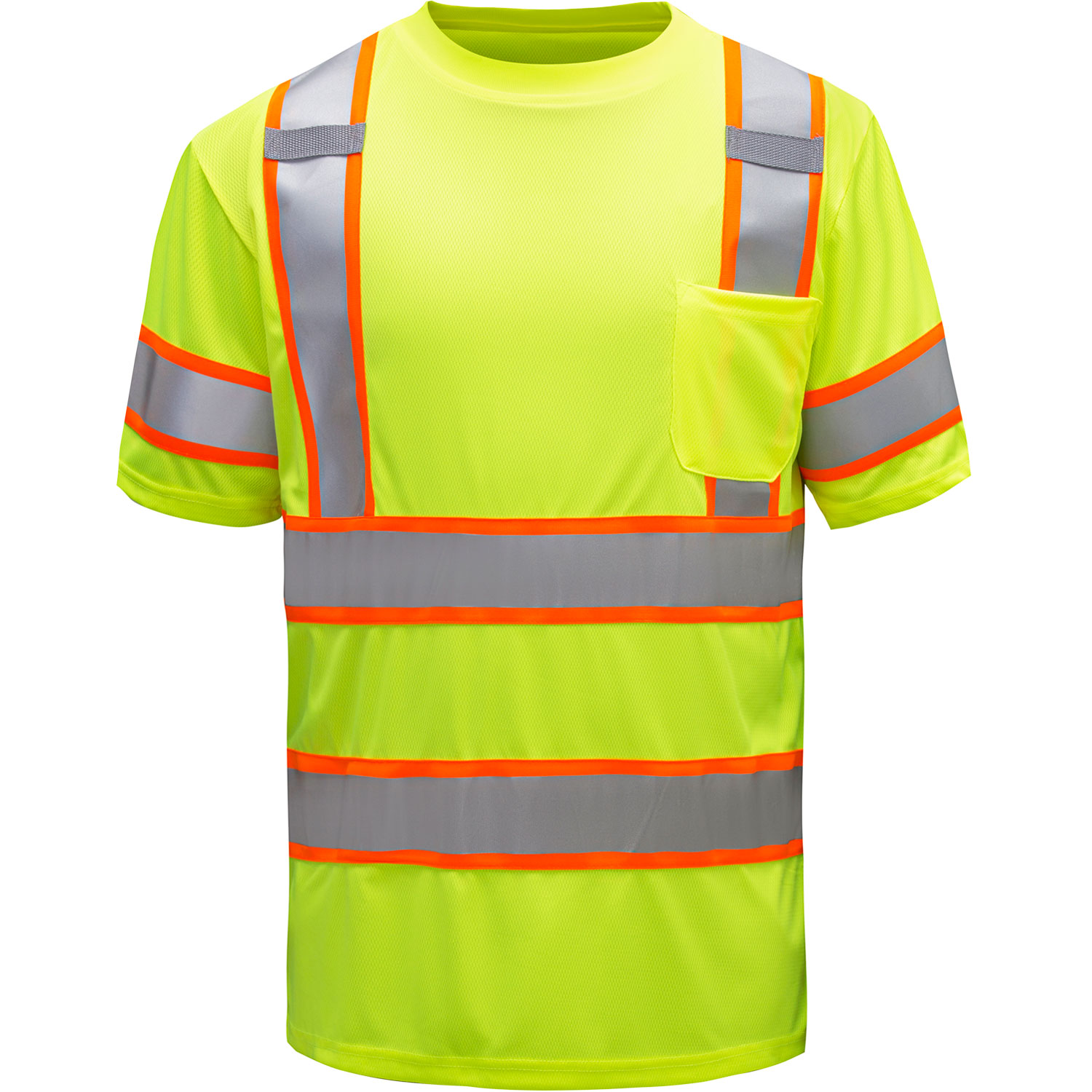
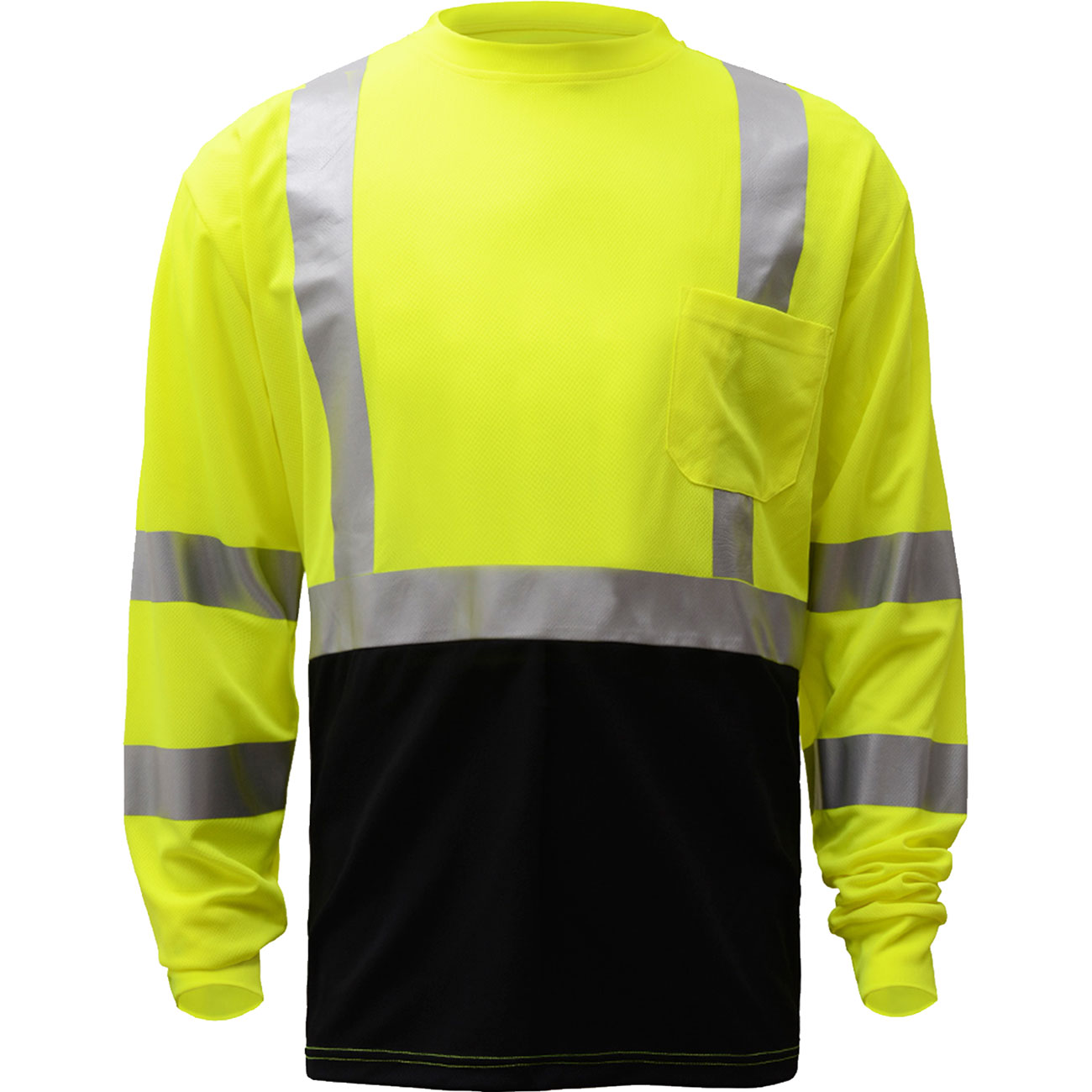
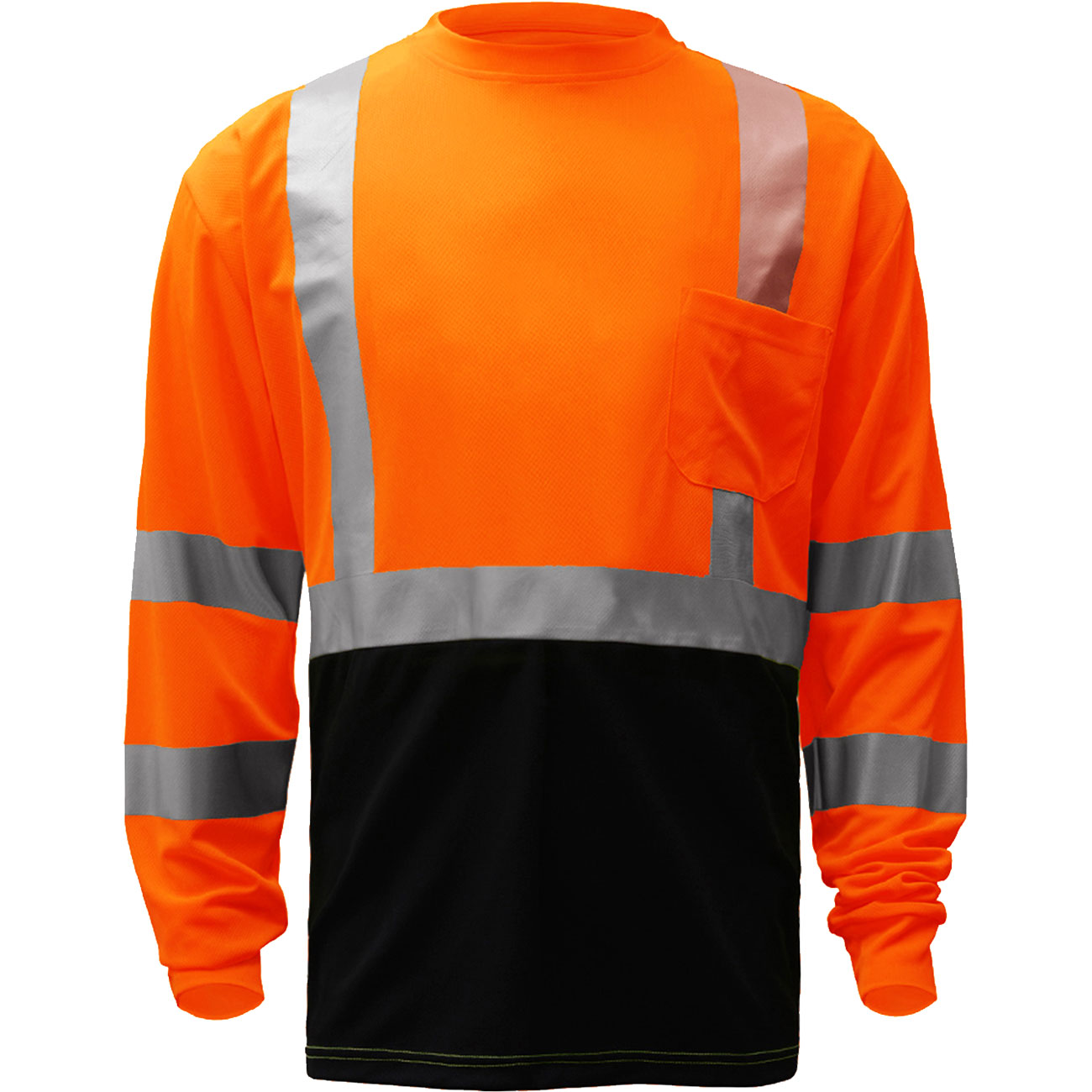
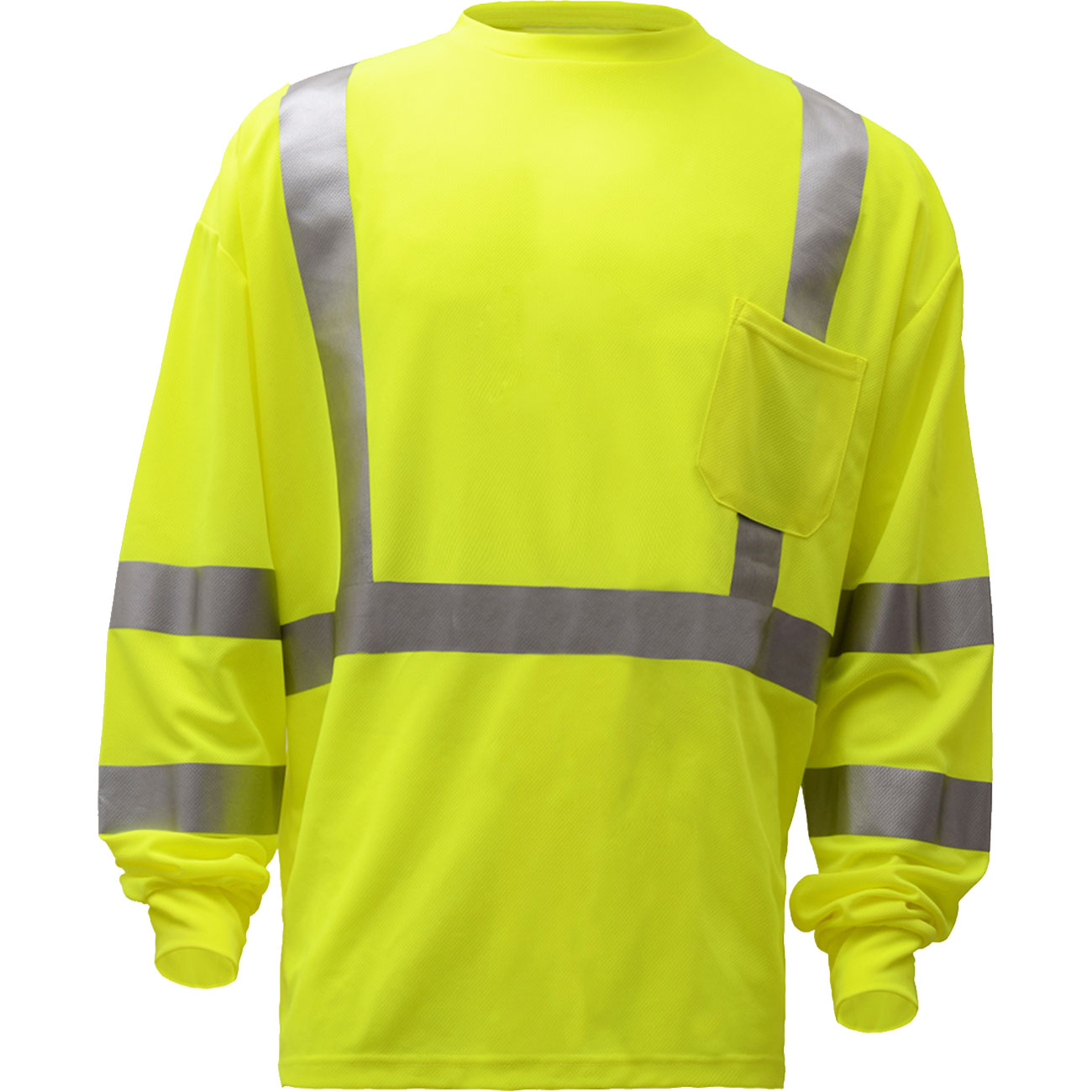
Other Products You Might Be Interested In

About ANSI Class 3 Safety T-Shirts
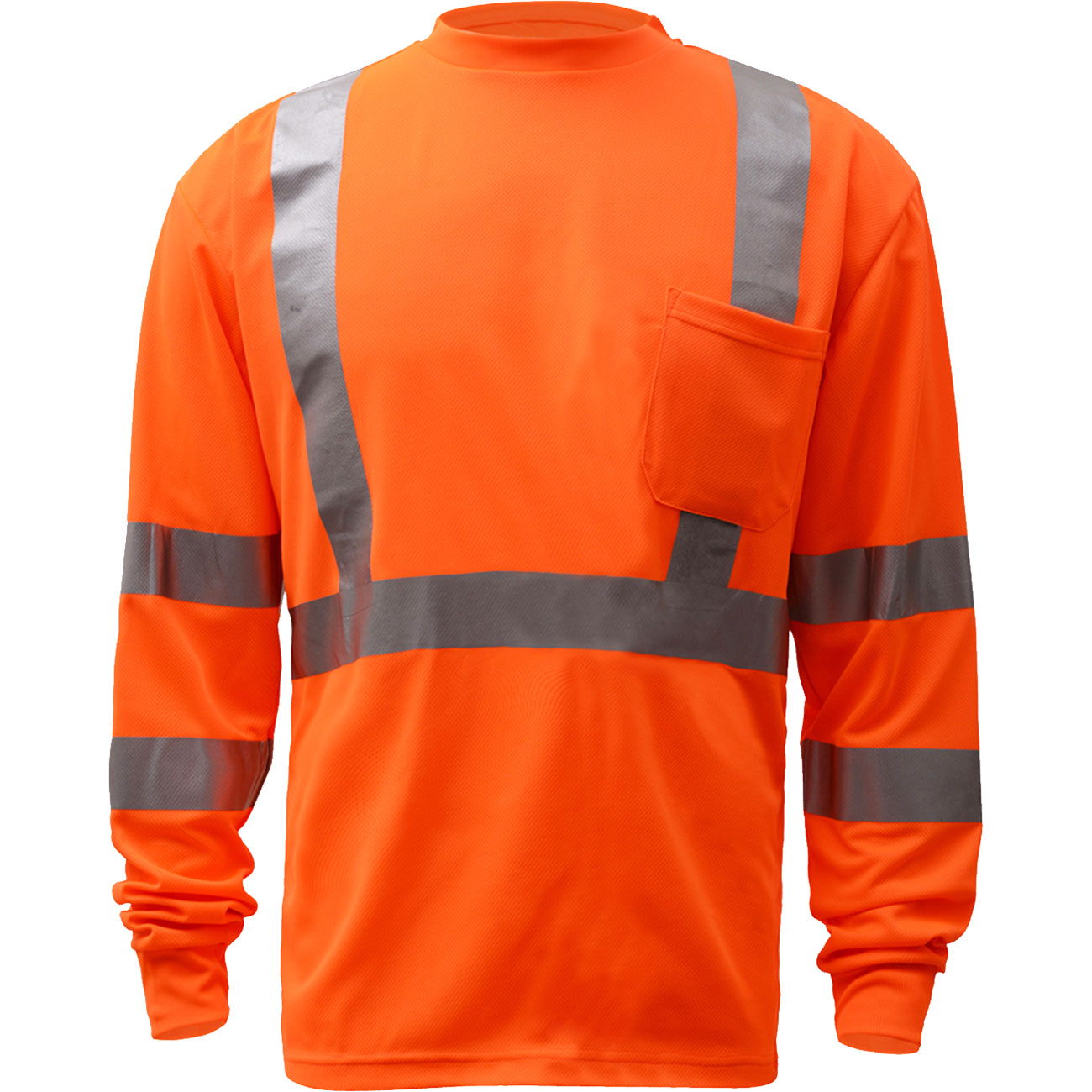
SafetySign.com's ANSI Class 3 hi-vis safety t-shirts deliver the highest level of worker visibility required under ANSI/ISEA 107, the industry standard for high-visibility safety apparel. Designed for workers operating in the most demanding, high-risk environments, including active highway construction, night roadway maintenance, railway operations, and complex traffic control zones, Class 3 garments provide unmatched retroreflective coverage across both the torso and sleeves.
Each Class 3 safety shirt is constructed from lightweight birdseye polyester mesh that provides superior breathability and moisture management on the job. The 2-inch-wide retroreflective tape is applied in horizontal and vertical patterns to meet ANSI/ISEA 107's Class 3 minimum of 310 square inches of retroreflective material, including mandatory sleeve coverage. Sleeve tape is the key distinction between Class 3 and Class 2 apparel.
Available in both short-sleeve and long-sleeve configurations in ANSI-approved lime/yellow and fluorescent orange, our Class 3 shirts are built for workers who require maximum nighttime and low-light visibility. Long-sleeve Class 3 shirts are particularly critical for night-shift workers and flaggers who need full-arm retroreflection when exposed to approaching headlights.
Whether you manage a highway crew, utility team, or emergency response unit, our ANSI Class 3 t-shirts meet the most stringent OSHA, ANSI, and MUTCD visibility requirements while keeping workers comfortable across any shift length. Machine washable and durable for intensive field use, they are built to perform where visibility matters most.
ANSI Class 3 Safety T-Shirts FAQs
What makes a safety shirt ANSI Class 3 versus Class 2?
ANSI Class 3 requires at least 1,240 square inches of high-visibility background material and 310 square inches of retroreflective tape, significantly more than Class 2's 775 sq in and 201 sq in minimums. Critically, Class 3 mandates retroreflective tape on the sleeves, which is not required for Class 2. This sleeve coverage ensures that a worker's arm movements remain visible to approaching drivers, making Class 3 the required minimum for workers near traffic speeds above 50 mph.
When is Class 3 required instead of Class 2?
ANSI/ISEA 107 and OSHA guidelines require Class 3 for workers exposed to traffic speeds exceeding 50 mph, including those on interstate highways, expressways, and high-speed arterials. Class 3 is also required or strongly recommended for nighttime roadway work, survey crews at the edge of traffic lanes, and workers in environments with complex sightlines or multiple lanes. Class 3 always satisfies any requirement for Class 2 and is never the wrong choice when maximum visibility is the goal.
Do ANSI Class 3 shirts come in long-sleeve options?
Yes. Our Class 3 collection includes both short-sleeve and long-sleeve configurations. Long-sleeve Class 3 shirts are particularly important because retroreflective tape on the sleeves, a Class 3 requirement, covers the full length of the arm when the long-sleeve style is worn. This makes long-sleeve Class 3 shirts the standard choice for flaggers, nighttime workers, and anyone working near high-speed vehicular traffic.
What is birdseye polyester mesh and why is it used in Class 3 shirts?
Birdseye polyester mesh is a knit fabric characterized by small, evenly distributed holes that create a lightweight, highly breathable structure. In hi-vis safety apparel, it manages moisture by wicking sweat away from the skin and allowing airflow to keep workers cool during physically demanding outdoor work. Despite being lightweight, birdseye polyester is durable and colorfast, maintaining its fluorescent vibrancy through UV exposure and repeated industrial washing cycles.
Are Class 3 safety t-shirts suitable for nighttime work?
Absolutely. Class 3 shirts are specifically designed and mandated for nighttime and low-light work near vehicular traffic. The high coverage of retroreflective tape, including sleeve tape, ensures workers remain clearly visible when illuminated by vehicle headlights. For true nighttime compliance near moving traffic, Class 3 is the required minimum under ANSI/ISEA 107 and most state DOT standards for night roadway work.
How much retroreflective tape is required on a Class 3 shirt?
ANSI/ISEA 107 requires a minimum of 310 square inches of retroreflective tape on a Class 3 garment, distributed to ensure visibility from the front, back, and sides, and mandatorily on the sleeves. SafetySign.com's Class 3 shirts comply through a combination of horizontal torso bands and sleeve tape, typically two or more horizontal bands on the torso plus circumferential or angled tape on each sleeve.
Can Class 3 shirts be worn as an outer layer over other garments?
Yes. Class 3 shirts must be the outermost garment layer per ANSI/ISEA 107. Thermal base layers, long-sleeve undershirts, or moisture-wicking liners may be worn underneath. This layering approach is common in cold weather environments. Our long-sleeve Class 3 shirts in birdseye polyester provide added warmth without requiring additional underlayers in moderate temperatures.
What color options are available for Class 3 safety shirts?
Our Class 3 safety shirts are available in ANSI-approved fluorescent lime/yellow and fluorescent orange. Lime typically offers superior daytime luminance contrast and is the default for most roadway and utility work. Orange is standard in emergency response, railway, and some utility applications. We also offer two-tone designs combining lime and orange panels, each section meeting its share of the Class 3 background material minimum while achieving full ANSI compliance.
How should Class 3 shirts be inspected before each shift?
Before each shift, inspect for: (1) retroreflective tape condition - check for peeling, cracking, or reduced shine under light; (2) background material - look for significant fading or discoloration of fluorescent fabric; (3) physical integrity - check for tears, fraying seams, or tape edge damage; (4) cleanliness - a dirty or stained shirt reduces both retroreflective and fluorescent performance. If any element is compromised, replace the garment before commencing work in a regulated environment.
Are there Class 3 polo-style shirt options?
Class 3 polo configurations exist but are less common than Class 2 polos because Class 3 requires significantly more background material and retroreflective tape coverage, including sleeve tape. For job sites requiring a professional collar appearance at the highest visibility level, our catalog reflects currently available compliant Class 3 polo options. A Class 3 vest worn over a polo is a common alternative that achieves compliance while maintaining a collar appearance.
What is ANSI/ISEA 107 and how does it apply to Class 3 shirts?
ANSI/ISEA 107 is the American National Standard for High-Visibility Safety Apparel and Accessories, published by the International Safety Equipment Association. It defines retroreflective tape photometry thresholds, fluorescent background material colorfastness, minimum coverage areas by class, wash durability requirements, and garment marking criteria. Class 3 is the highest performance classification in the standard and is referenced by OSHA, the FHWA MUTCD, and state DOT agencies. All SafetySign.com Class 3 shirts are manufactured to the current edition of ANSI/ISEA 107.
How long will a Class 3 safety shirt remain compliant?
Service life depends on usage frequency, washing frequency, and environmental conditions. ANSI/ISEA 107 tests for a minimum of 25 wash cycles at the baseline certification level, with many commercial-grade garments exceeding this. UV exposure, physical abrasion, and chemical contamination can accelerate degradation. Best practice is to replace daily-use Class 3 shirts at least annually, or immediately when retroreflective tape shows signs of wear. High-use environments such as night-shift roadway crews often replace garments every six months.